
Category: art theory
-
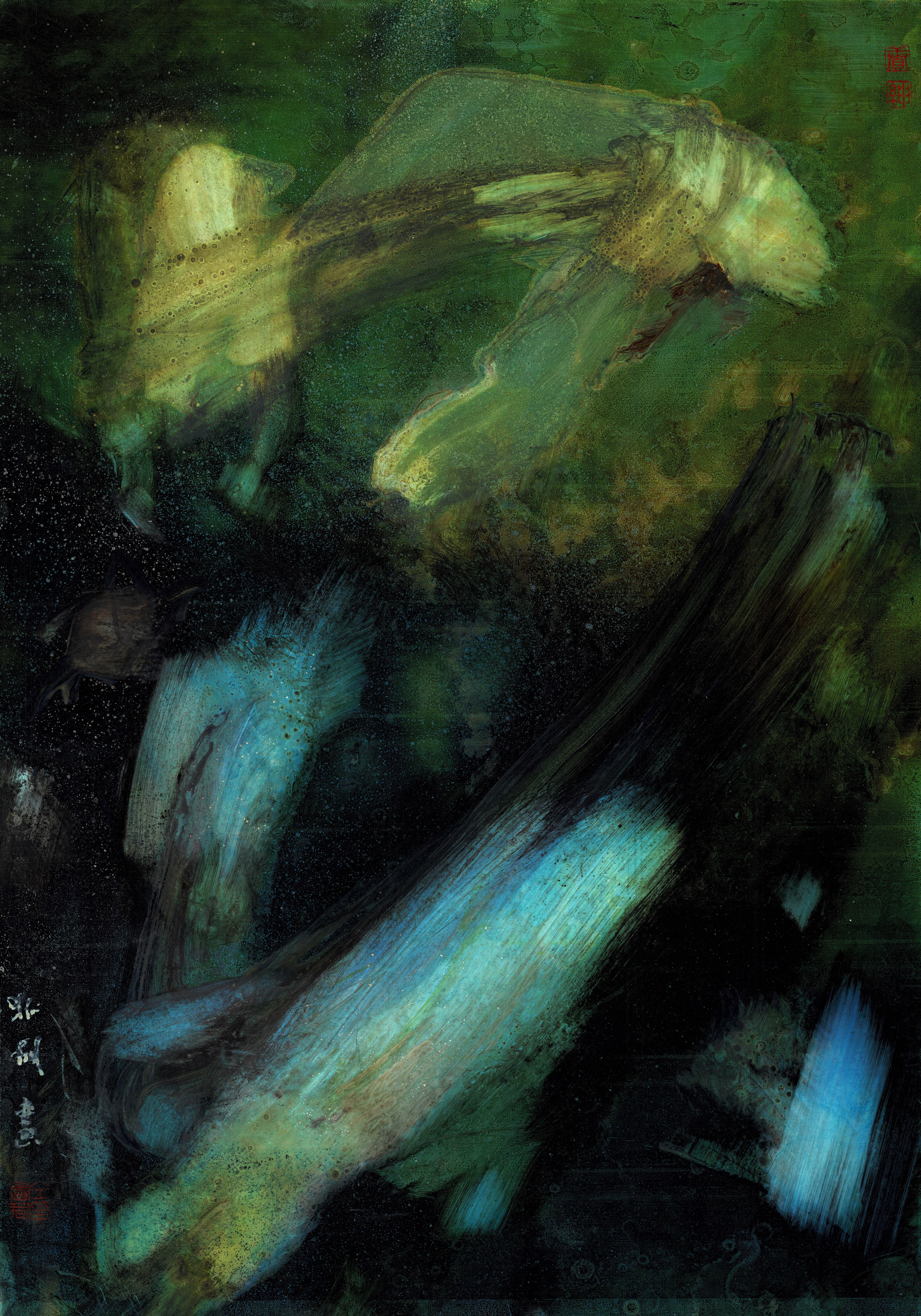
Light as State of Being
“Light as State of Being” explores the depiction of light in painting – from the academic studio through the Impressionists to my own attempt to make Ur-light and cosmic light tangible in images.
-

Dot and Emptiness: The Essence of Chinese Art
An article about the significance of Dot and Emptiness in Chinese artistic traditions. This theme reveals the essence of Chinese painting after my lecture from January 9, 2026
-
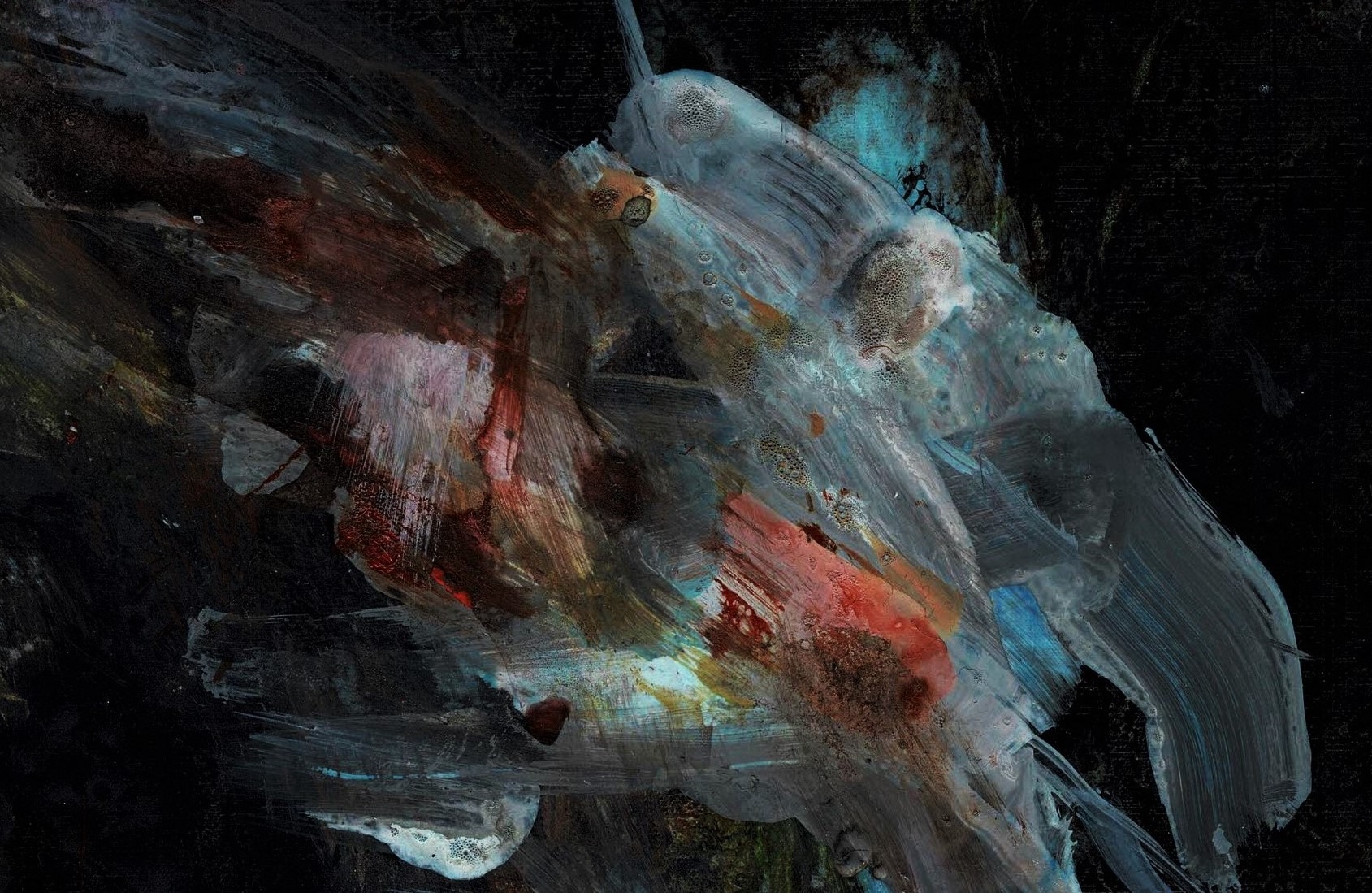
Before I gotta go, go, go…
“Before I gotta go…” is an article about a new series on dreams, marking a deliberate departure from minimalism in favor of abstract depth. It introduces the concept of the “Oneiric Divide”—visualizing not the story of a dream, but the raw energy it leaves behind—and offers a glimpse into my upcoming dialogue on “Dot and…
-
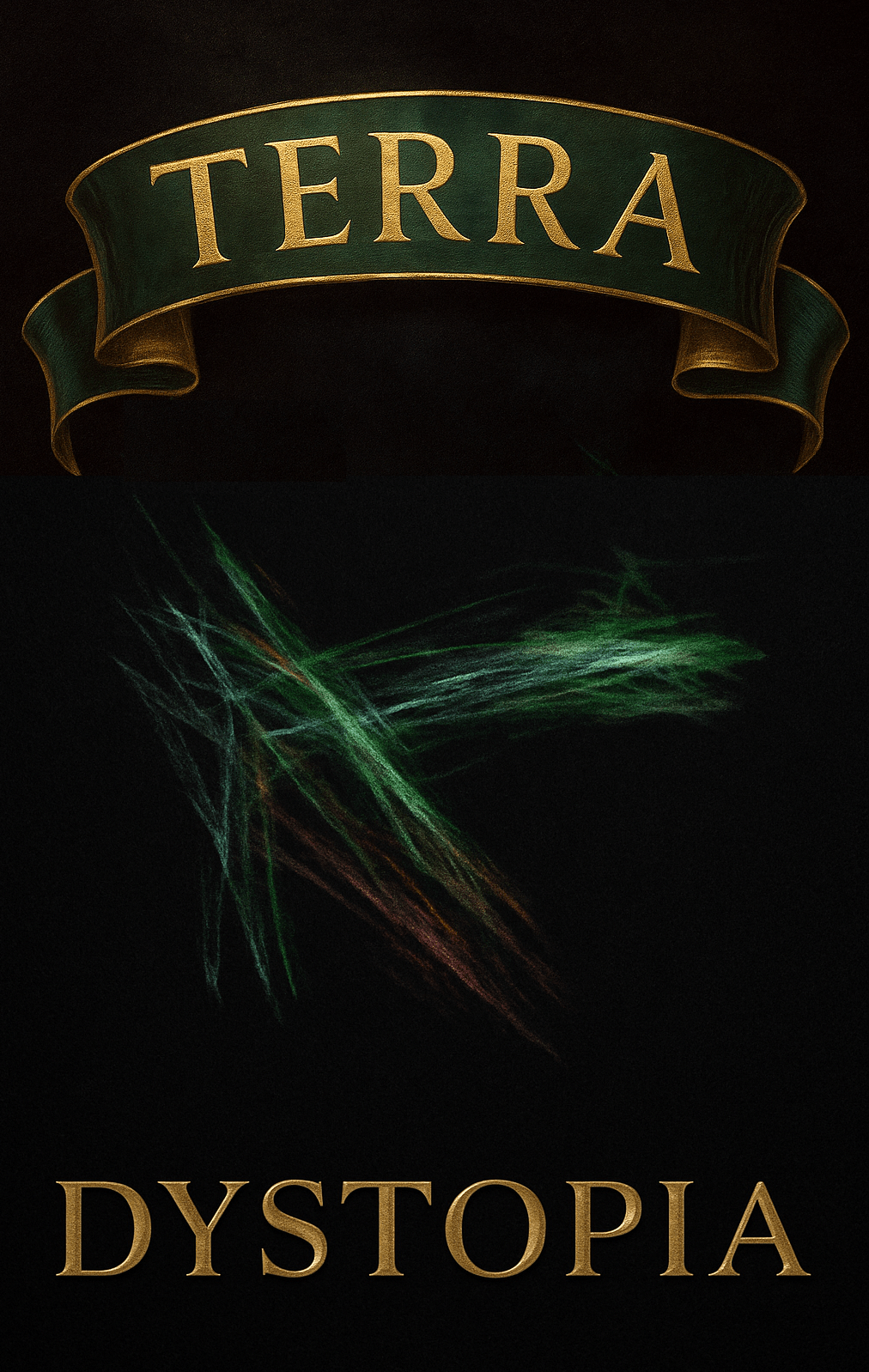
Terra Dystopia
Terra Dystopia, a new series of artworks, serves as the starting point for an essay on the core characteristics of a dystopian society, questioning how many of these once-fictional traits have become our reality.
-
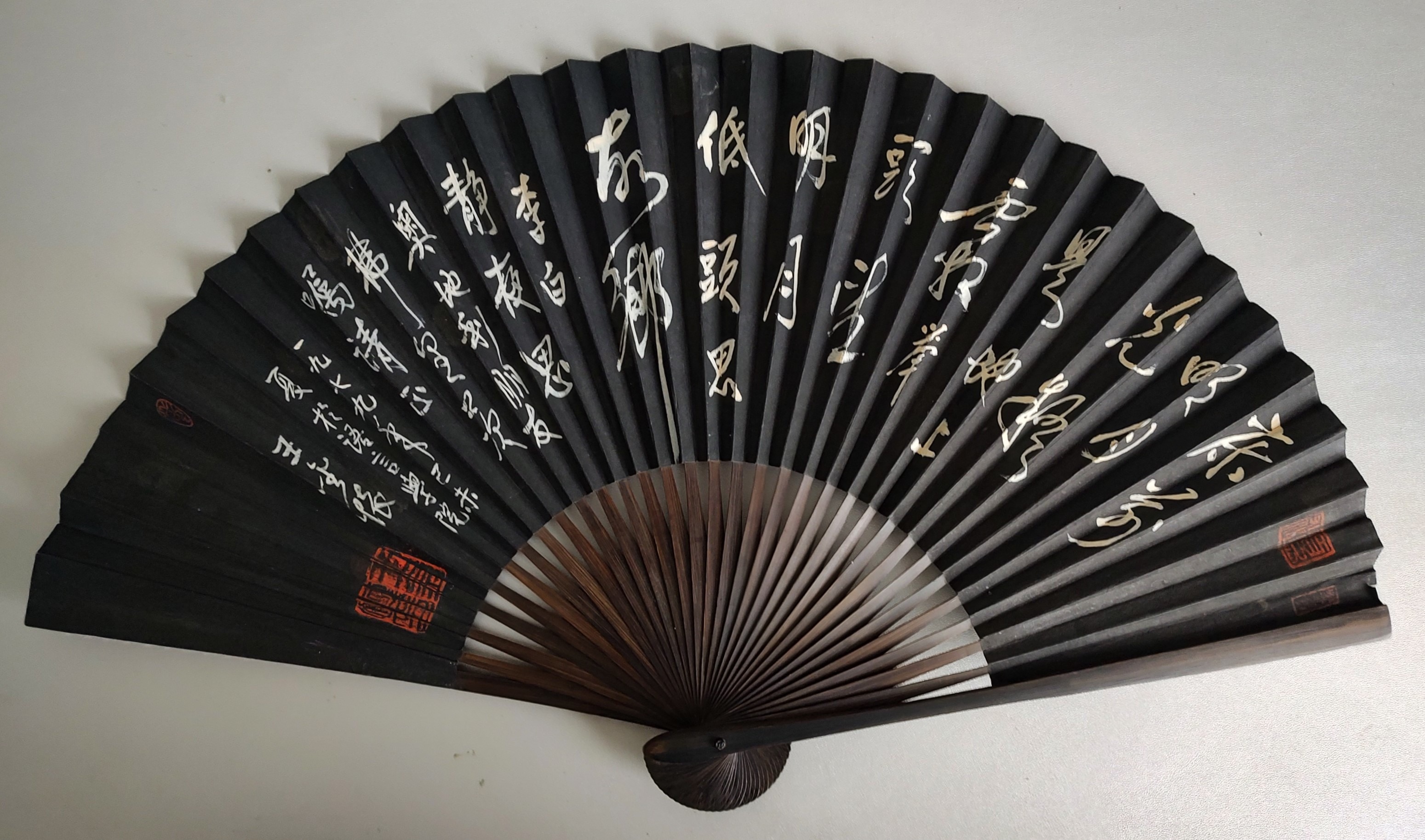
The Abundance of Modesty
Delving into Daoist philosophy and the pictographic wisdom of Chinese calligraphy, this article unpacks the ancient proverb that “Modesty Brings Abundance” (謙受益). Grounding this profound concept in personal experiences, the author reflects on how the humility of an “empty vessel” allows one to receive a true overflow of friendship, knowledge, and spiritual wealth.
-

State of the Art 2025
State of the Art 2025 is my contribution this year to an ongoing series of “self-portraits.” For years, these pieces have documented my creative journey, reflecting the current status of my work.
-
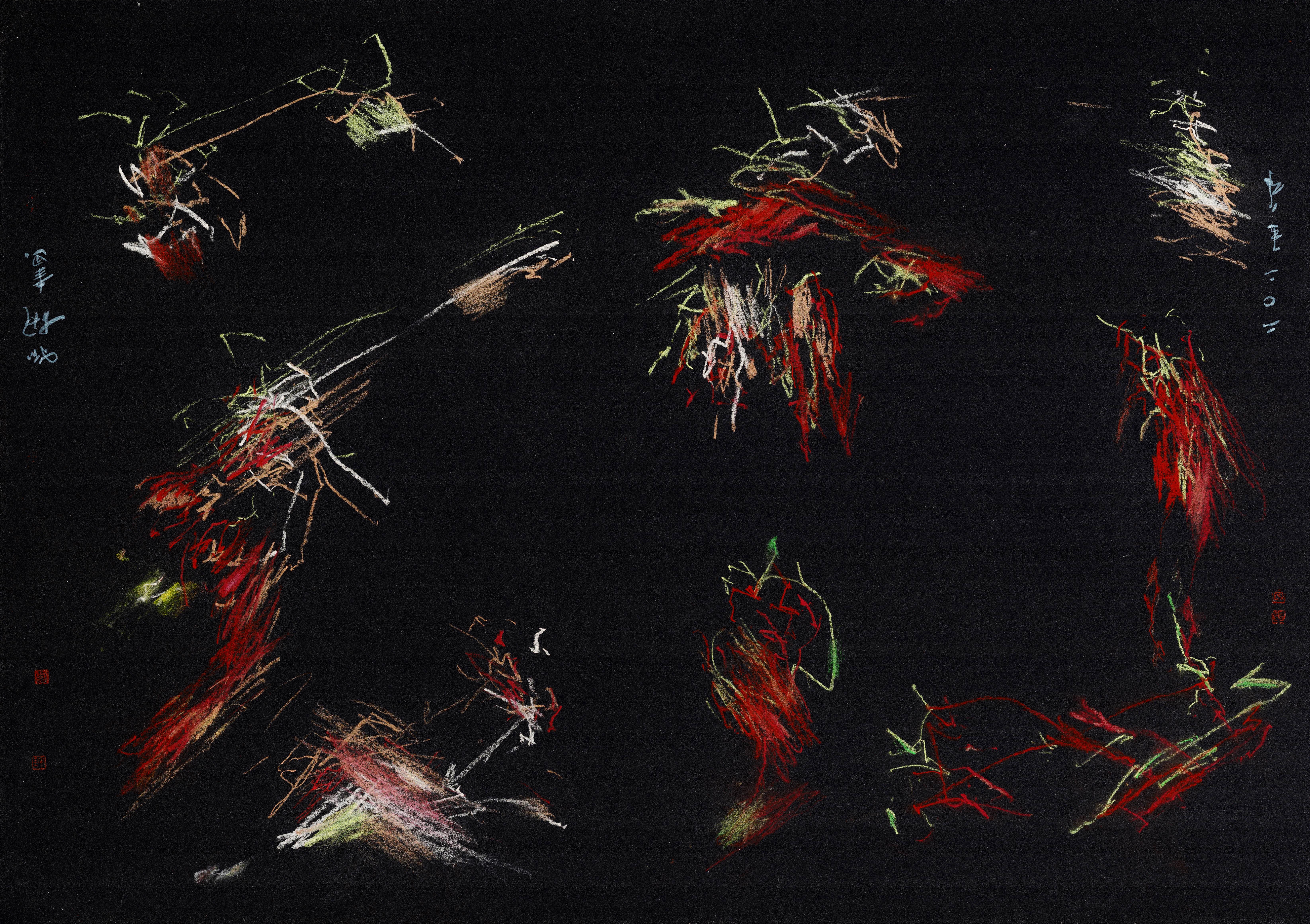
Nothingness in Color
Nothingness in Color continues the thought experiment that began with the journey to the Zen master—evolving beyond monochrome, embracing color, and preserving the essence of minimalism
-
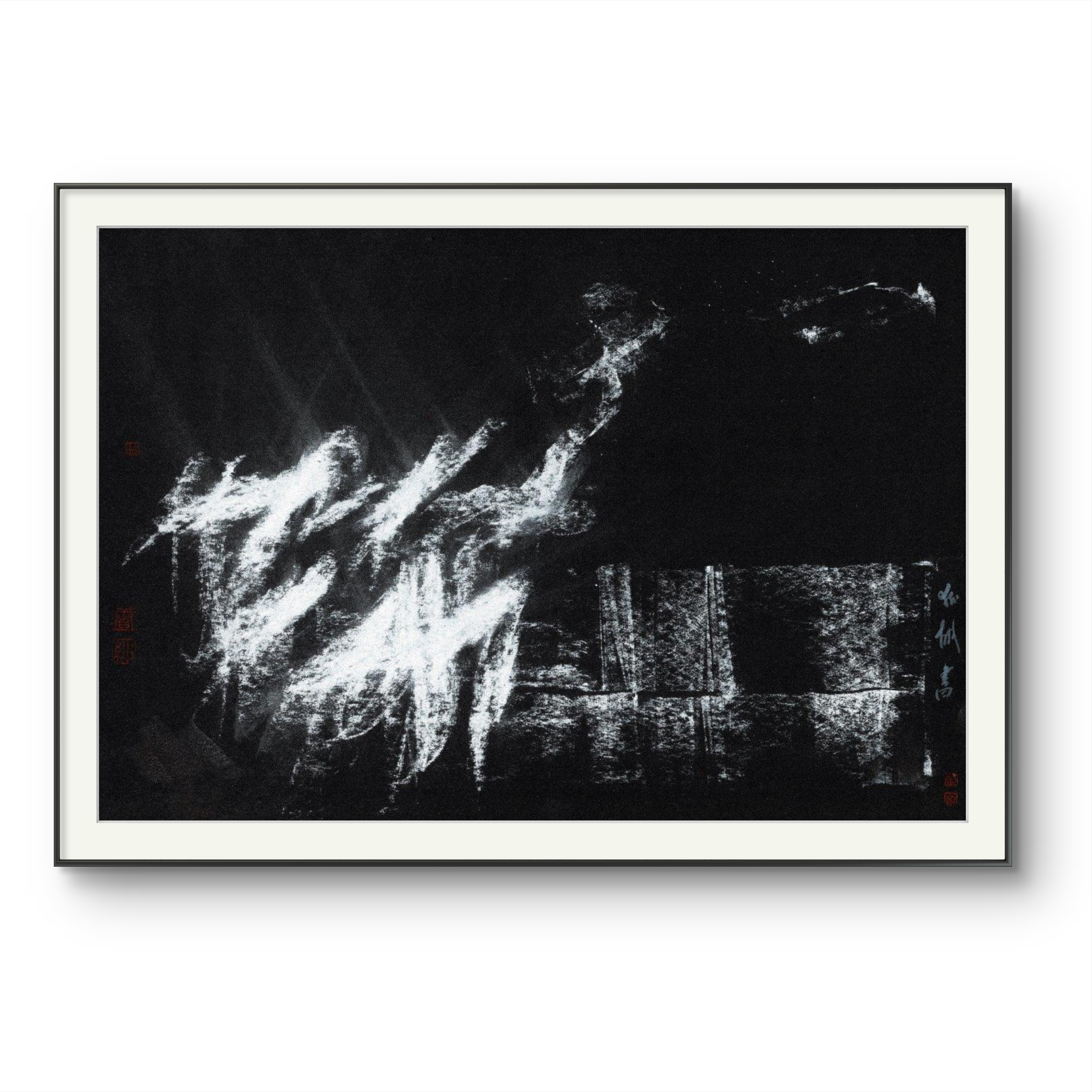
The Gift of the Green Snake
The Gift of the Green Snake is an article about an unexpected gift and the resulting images.
-
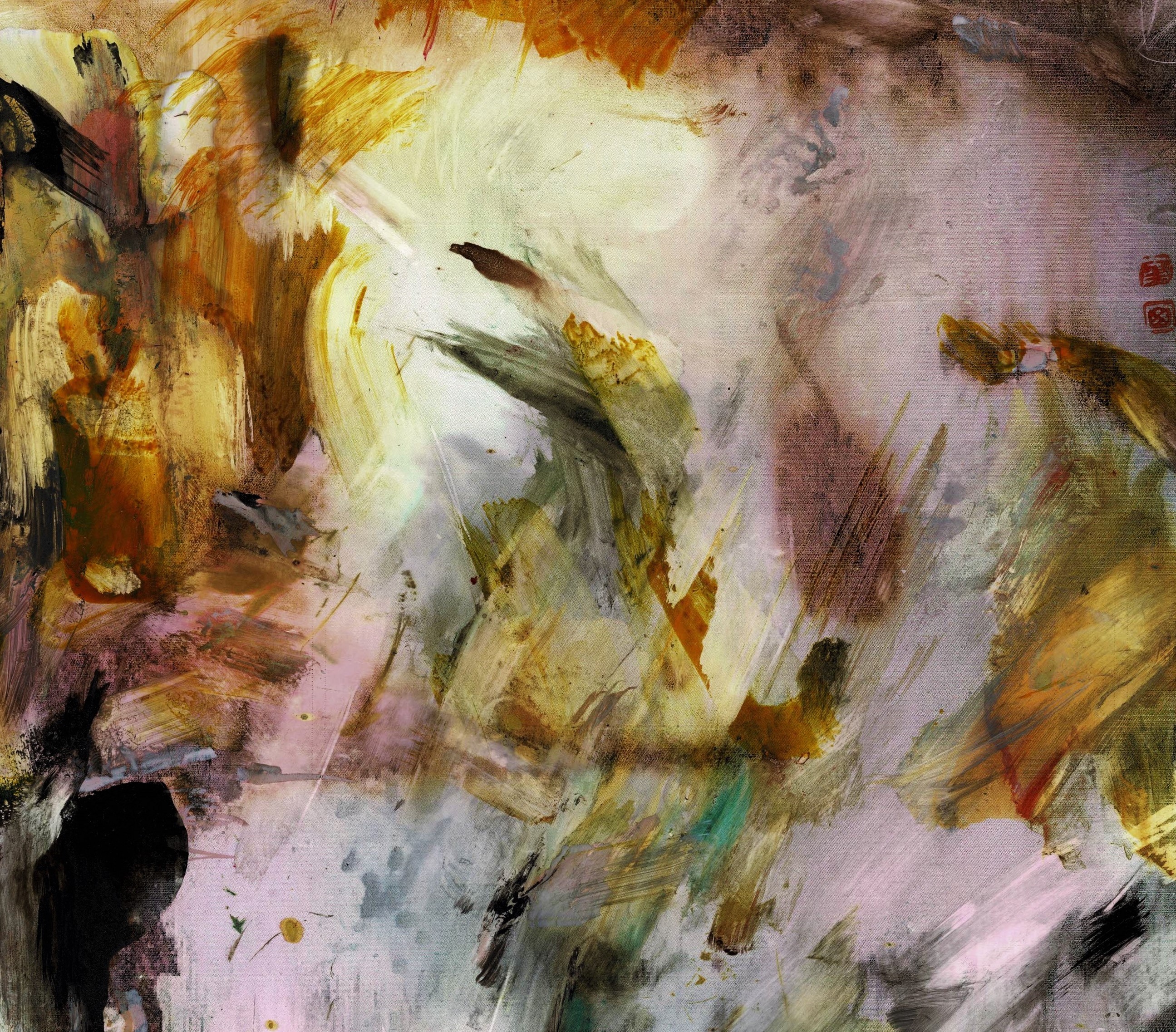
Goodbye to the Winter
Explore the artist’s journey from winter’s darkness to spring’s light through abstract paintings. Learn how black paper challenges traditional Chinese painting concepts.
-
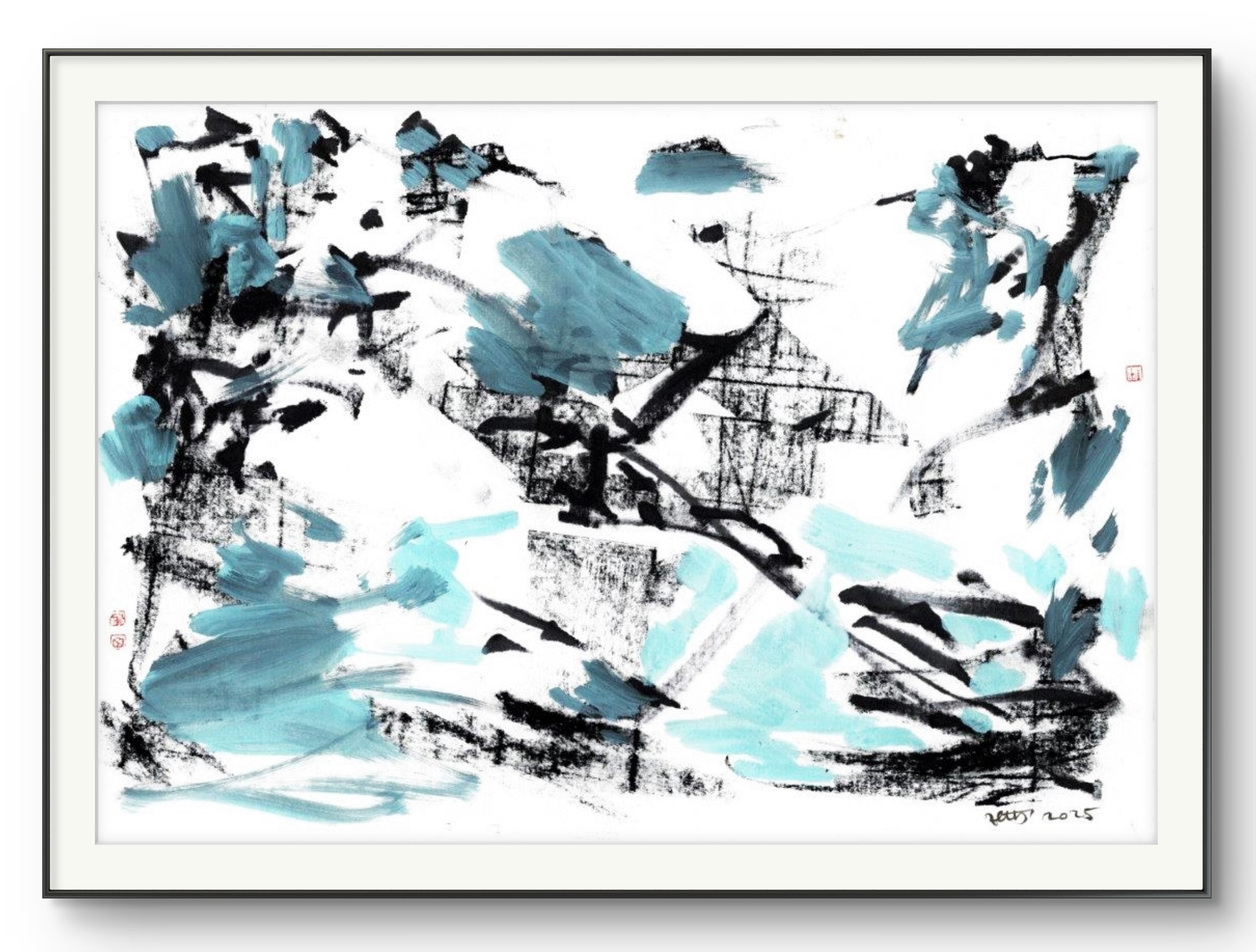
Depression: A Journey Through the Long Winter.
Depression: A long winter is behind me. It felt endless, stretching on and on. While snowfall isn’t guaranteed every year, one thing I can count on is my winter depression. Let’s take a closer look at some works from this long winter.
-

Meditation of the Zen Master
Explore the meditation practices of the Zen Master in this insightful article. Gain profound insights and discover the beauty and tranquility of Zen.
-
Journey to the Zen Master
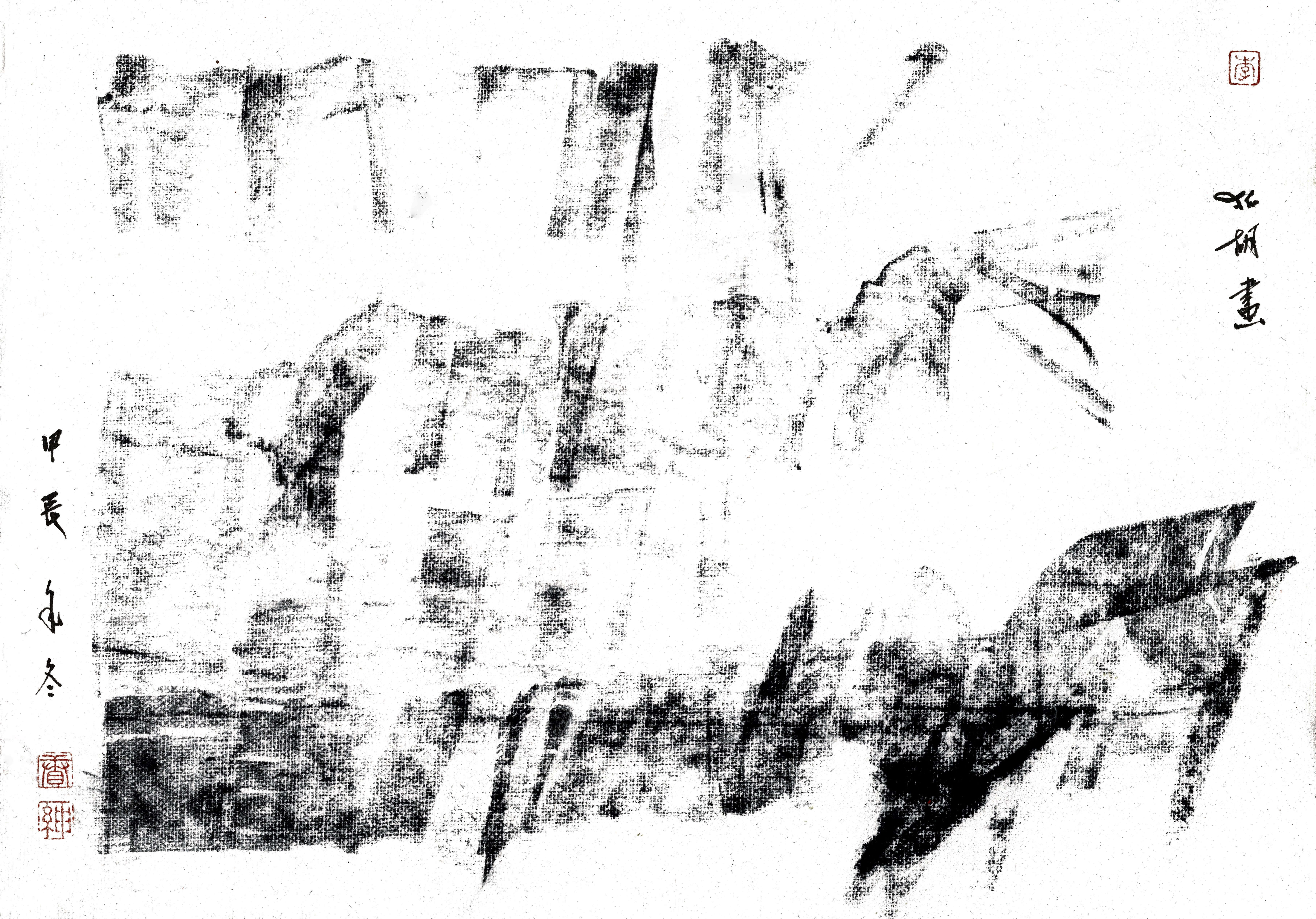
This is the second part of a three-part article on a Journey to a Zen Master. We encounter the living space of the master.
-
Emperor Hui Zong: When Rulers Still Loved Art
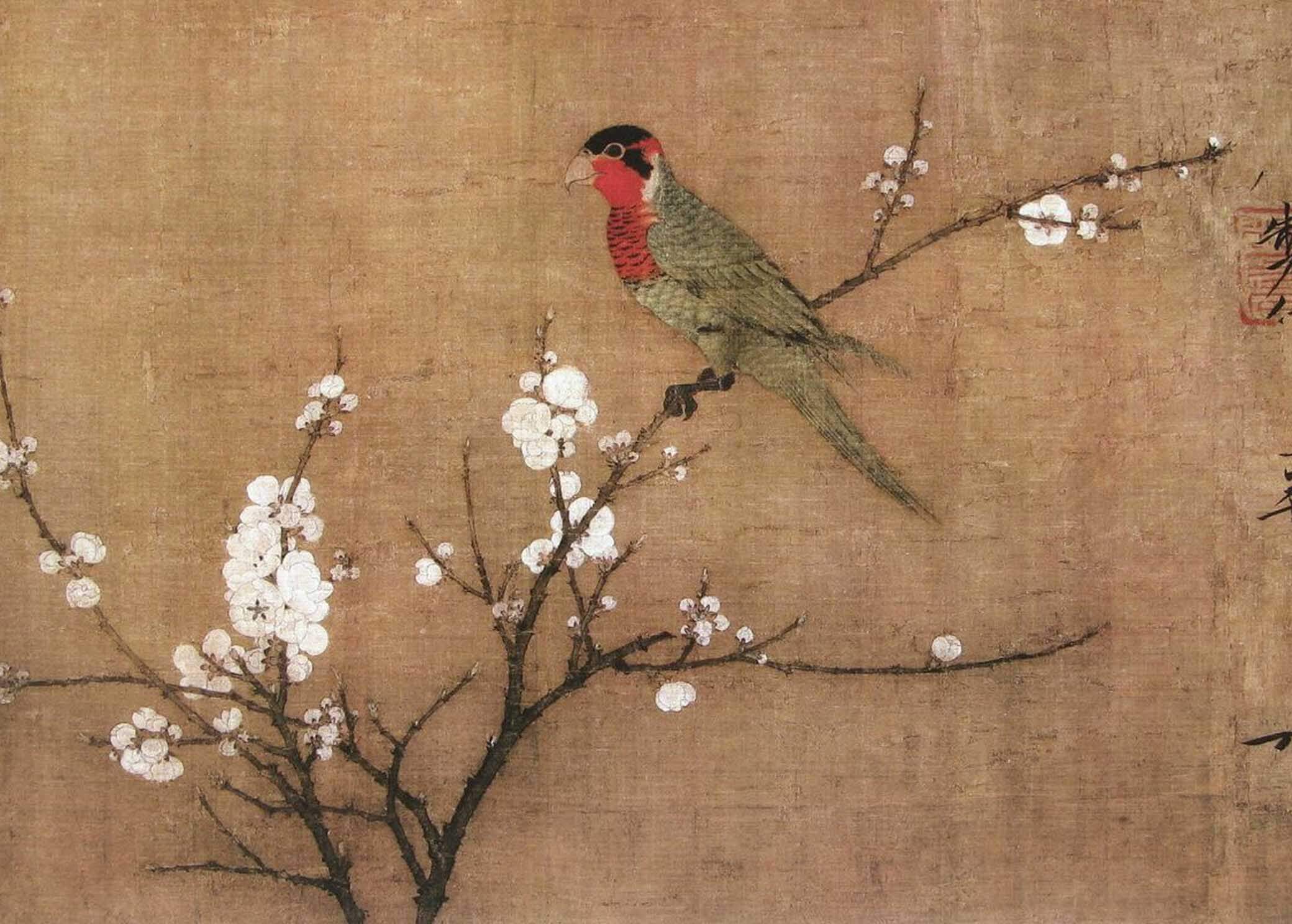
Emperor Hui Zong, a significant ruler of the Song Dynasty but also a remarkable artist and a patron of the arts.
-

Discovering the Beauty in the Ugly
Exploring Aesthetic Sensibilities Through Photography. Discovering the Beauty in the Ugly – or at least discover something attractive in the ugly: In our last article, we delved into the concept of wabi-sabi and I shared some of my work. Thanks for the positive feedback! Today, we will go a step beyond wabi-sabi, using photos from…
-
Wabi Sabi and the Aesthetics of Imperfection
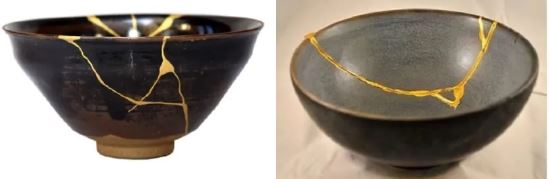
Wabi Sabi, a term relatively unknown in the West until recently, holds a special place in my heart. This article reflects my personal approach to Wabi Sabi, illustrated with my own works painted this year.
-

Theme and Variations
In the series “Theme and Variations about a Blossom in Autumn,” the delicate image of a fading blossom takes center stage, offering an allusion to the graceful aging of a young lady.
-

The Silk Road: Personal Reflections
The Silk Road: From a young age, I was fascinated by distant countries, with Asia and the Orient capturing my imagination the most.
-
Daoist Aspects in My Paintings
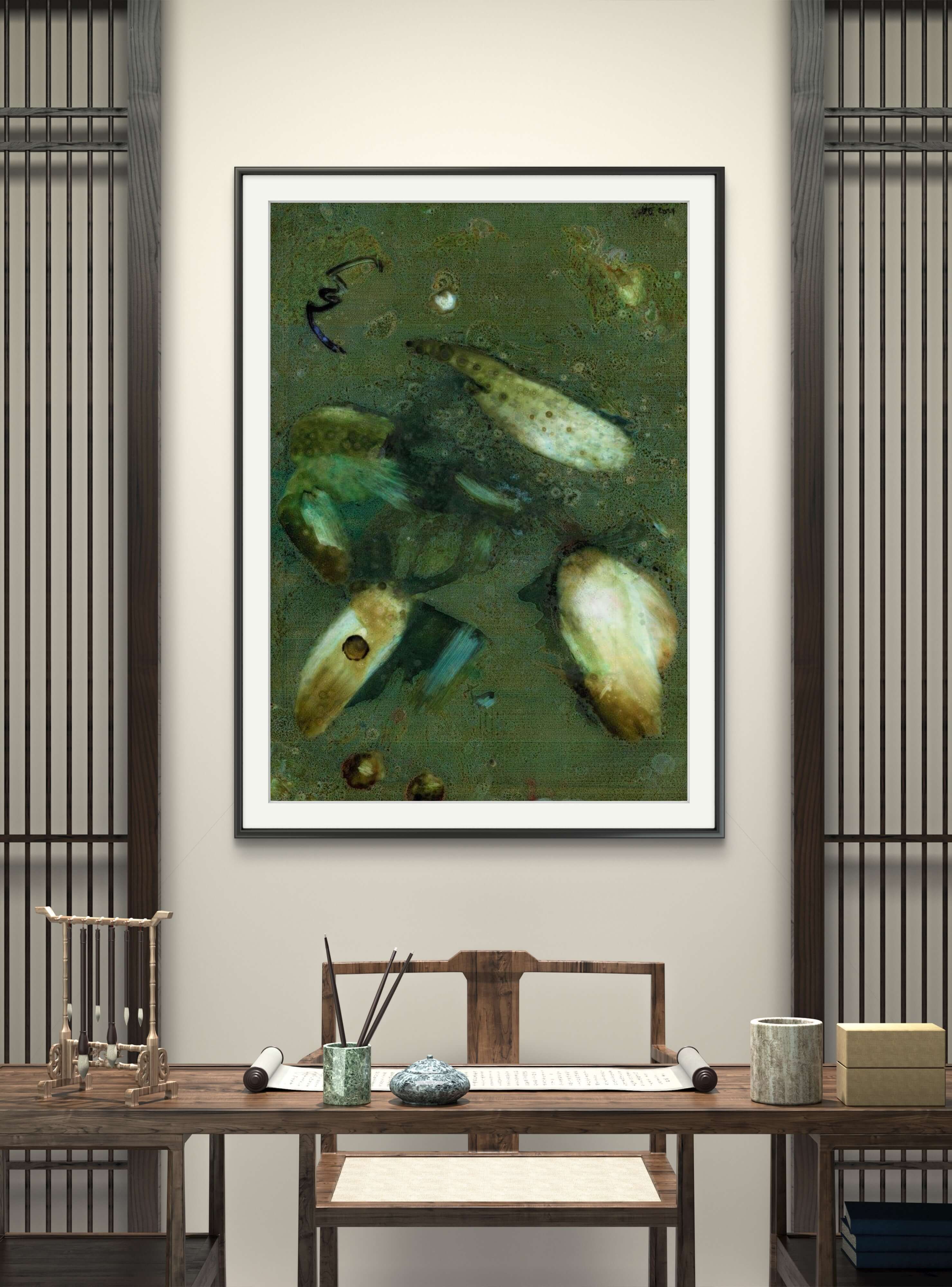
Today’s article is divided into two interconnected parts. The sequence of images, all recent works, illustrates my approach to the concept of Nothingness.
-

Visit of the old Zen Master and other Nonzens
Visit of the old Zen master is nonsense because there is no Zen master that I know. So I can’t visit one, so no one can visit me.
-
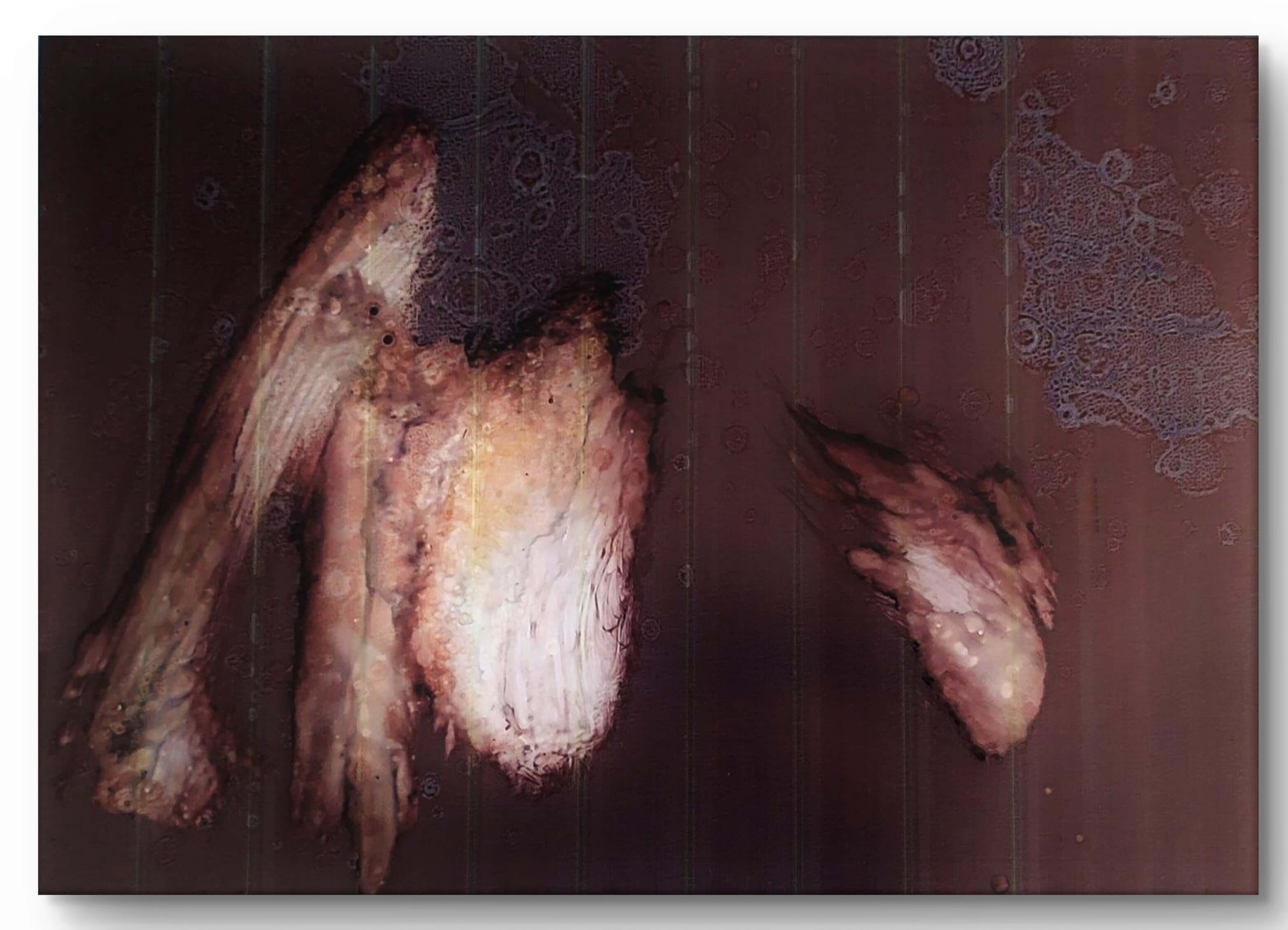
Can We Hear a Painting?
Can you hear a painting? The idea of paintings creating music has captivated artists for centuries.
-
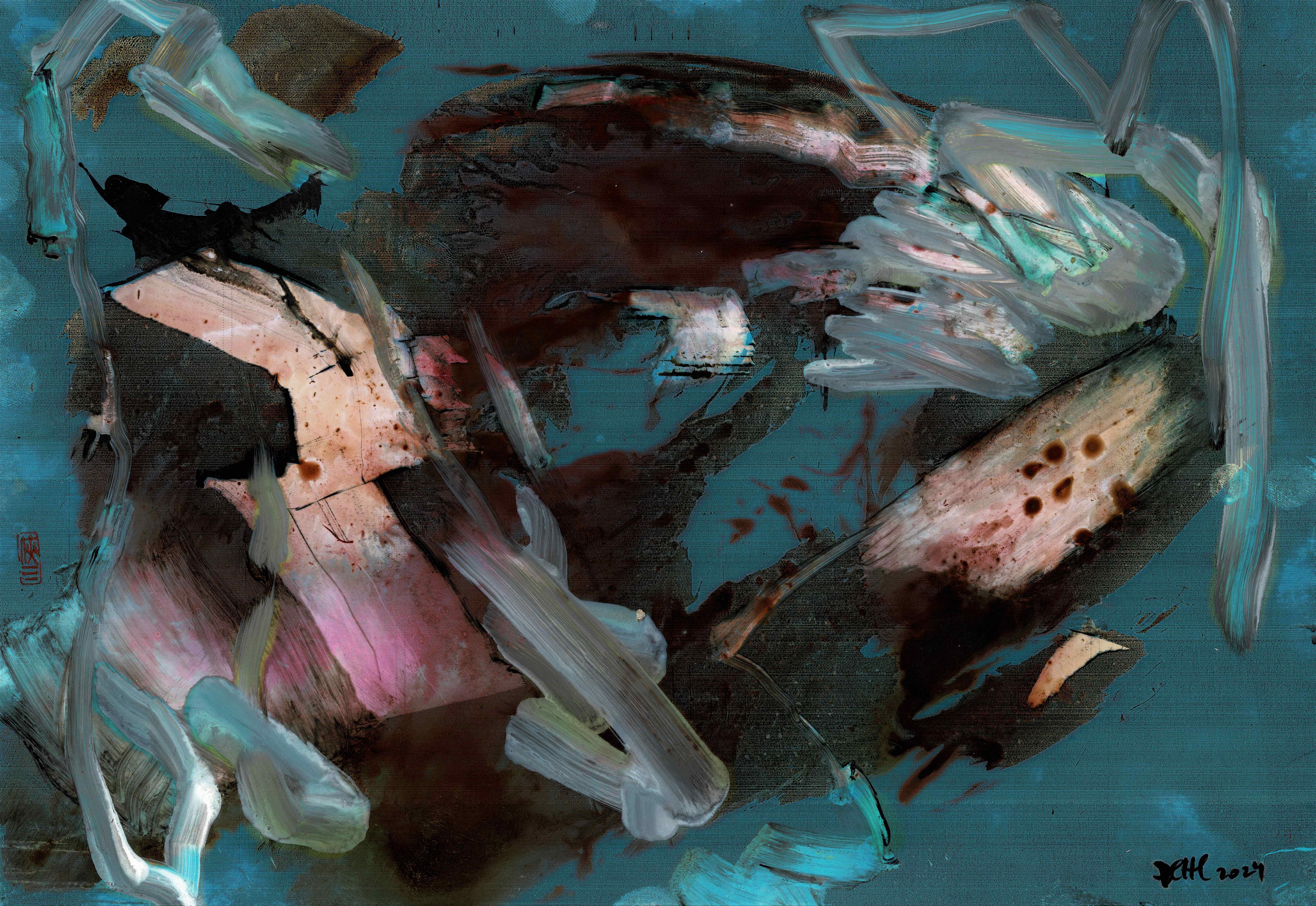
Emptiness, Space, and Depth
Emptiness, Space, and Depth: The Spring Collection. Selection of recent Artworks. Studies, sketches, paintings.
-
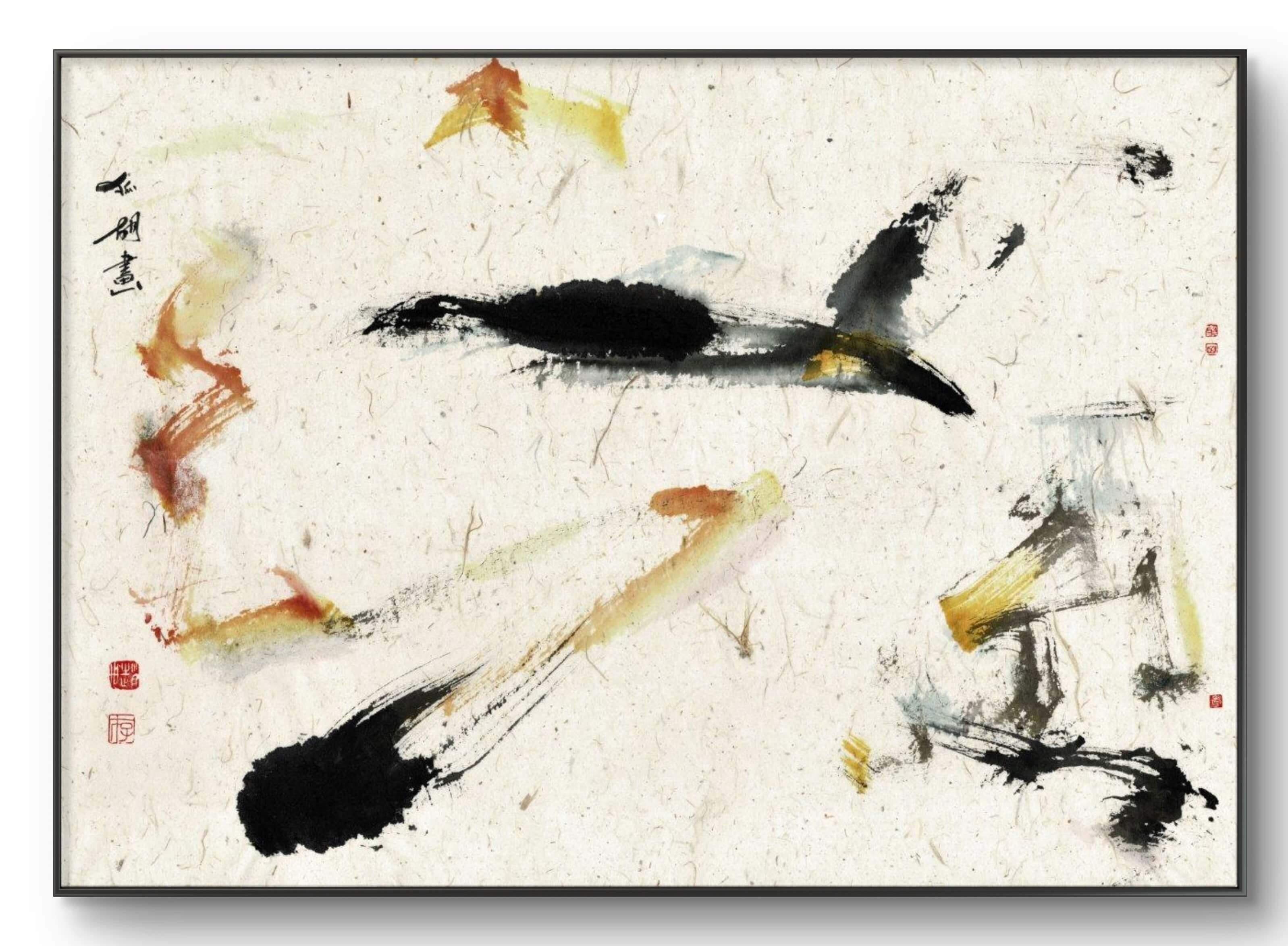
Essence in Art: Less is More
Brainstorming on the subject of the soul. Due to requests that I was very pleased to receive, I would like to focus on the subject of the soul in this and the next post.
-
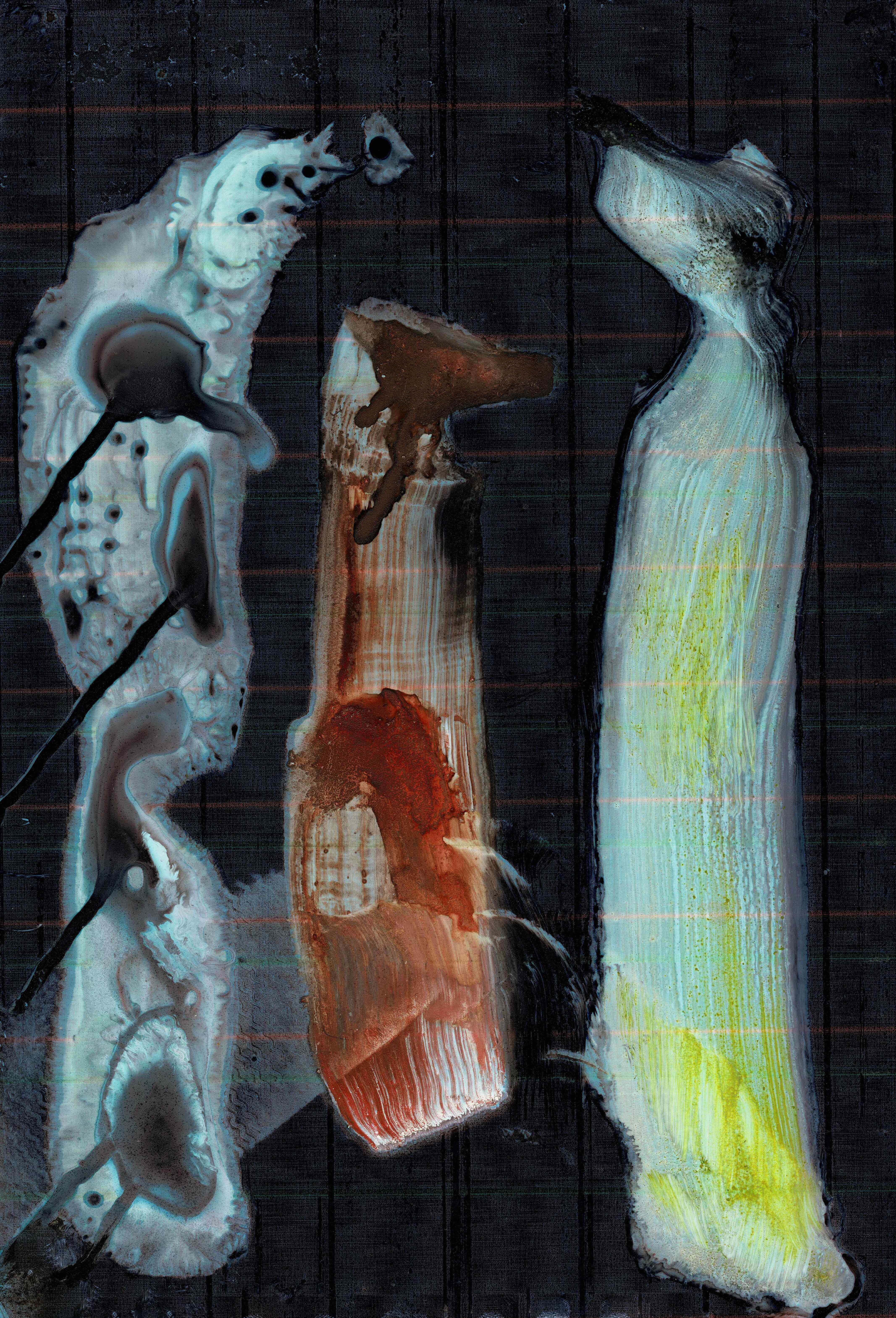
break on through
The Doors, known for capturing exploration and the human desire to uncover the unknown in their music, embody the theme of breaking through to ‘the other side’. The 1970s era of experimentation with mind-altering substances, influenced by psychedelic art, has shaped graphic design. The artist, recently participating in exhibitions in London and Sao Paulo, reflects…
-
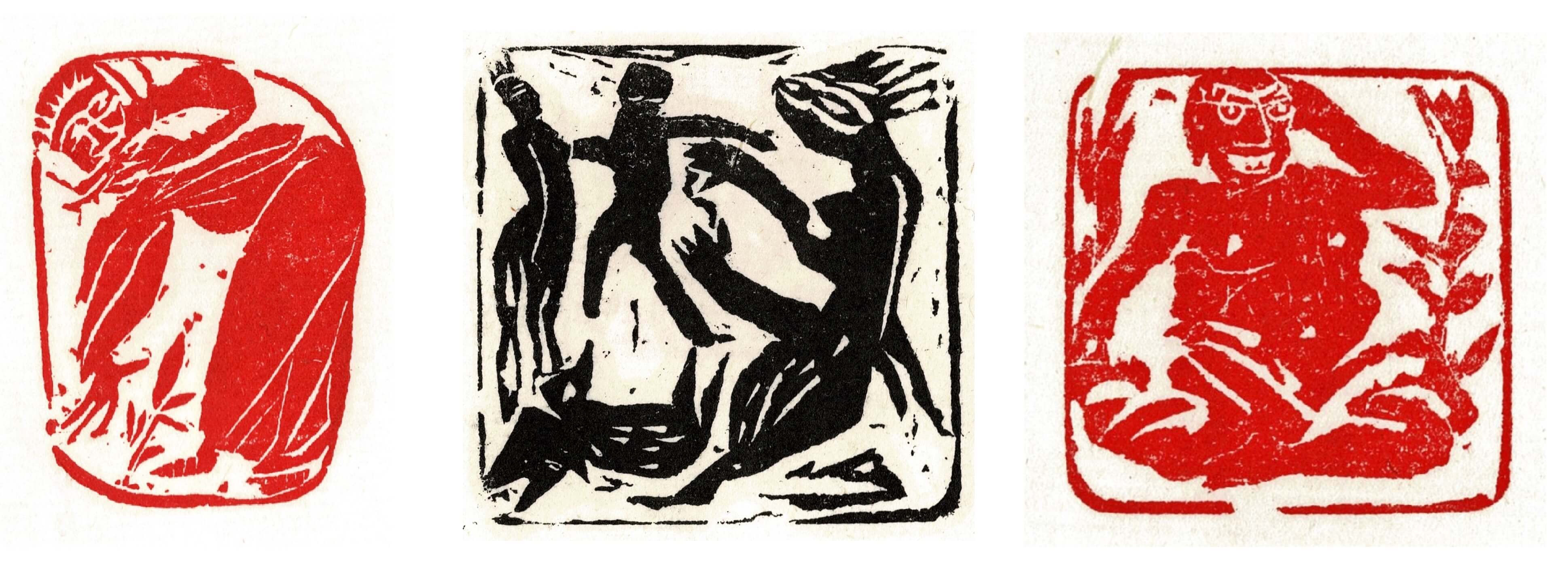
Delving into the Realm of Seals on Artwork
Article about the fascinating world of Chinese seals. From a carver and collector. And above all, an enthusiast.
-

Selection of New Works
Selection of new works: A small selection of recent works in different techniques.
-
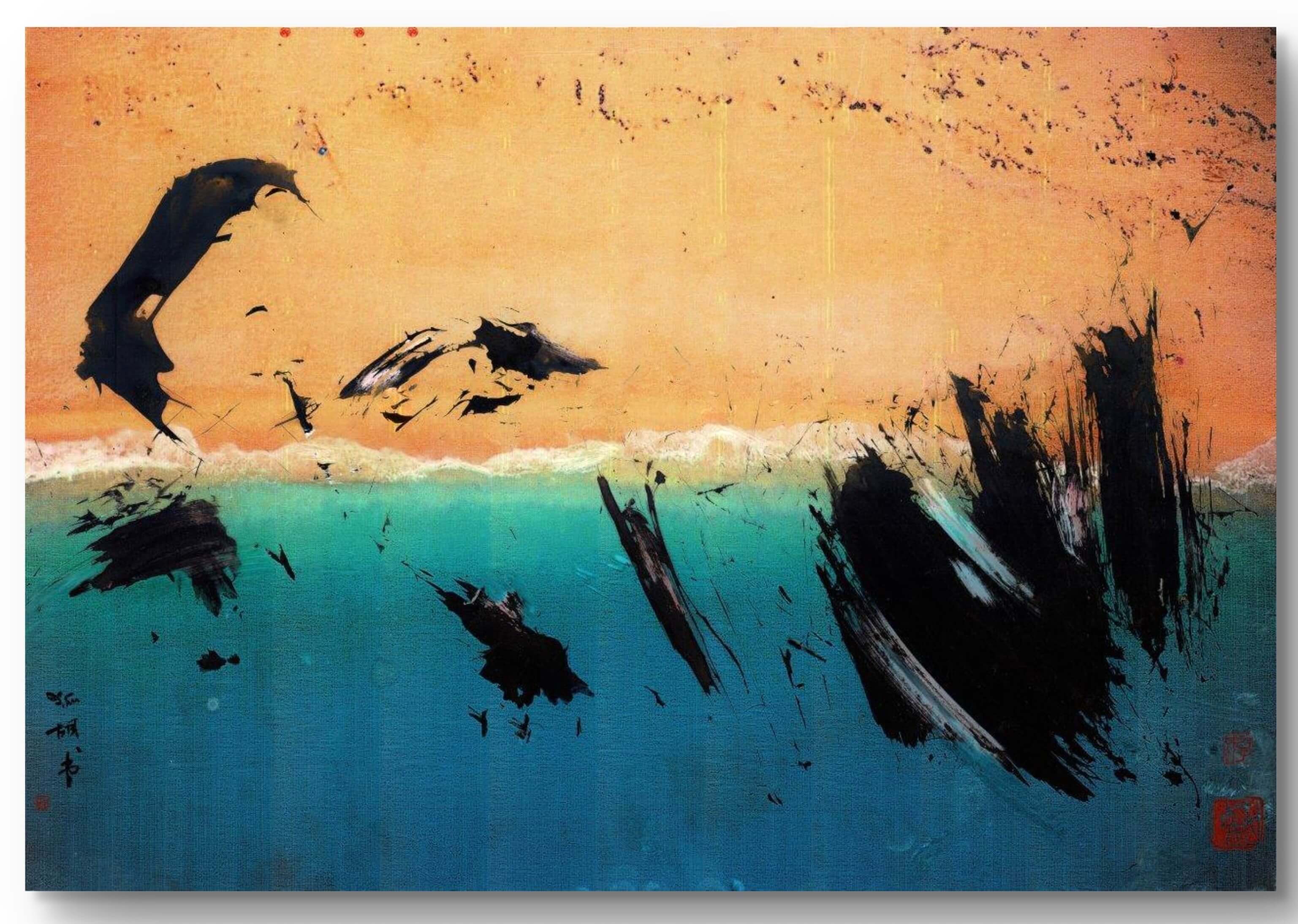
Between Calligraphy and Painting
Who Sows Calligraphy will Reap Paintings. Between Calligraphy and Painting: In order not to get too boring, this article will be the last one for some time in which calligraphy sets the tone. We have already heard quite a bit about this high-quality art form by now. A few more aspects will be addressed today…
-

Superior Haiku by Ashley
calligraphed by Friedrich. Superior Haiku by Ashley: This article is about a haiku (俳句 or hokku) [1] and the creative process of turning it into calligraphy. The wonderful poem is by Ashley. A short video shows the creation process. In the extra-part there are details about calligraphy. Many people know Ashley because of his beautiful…
-
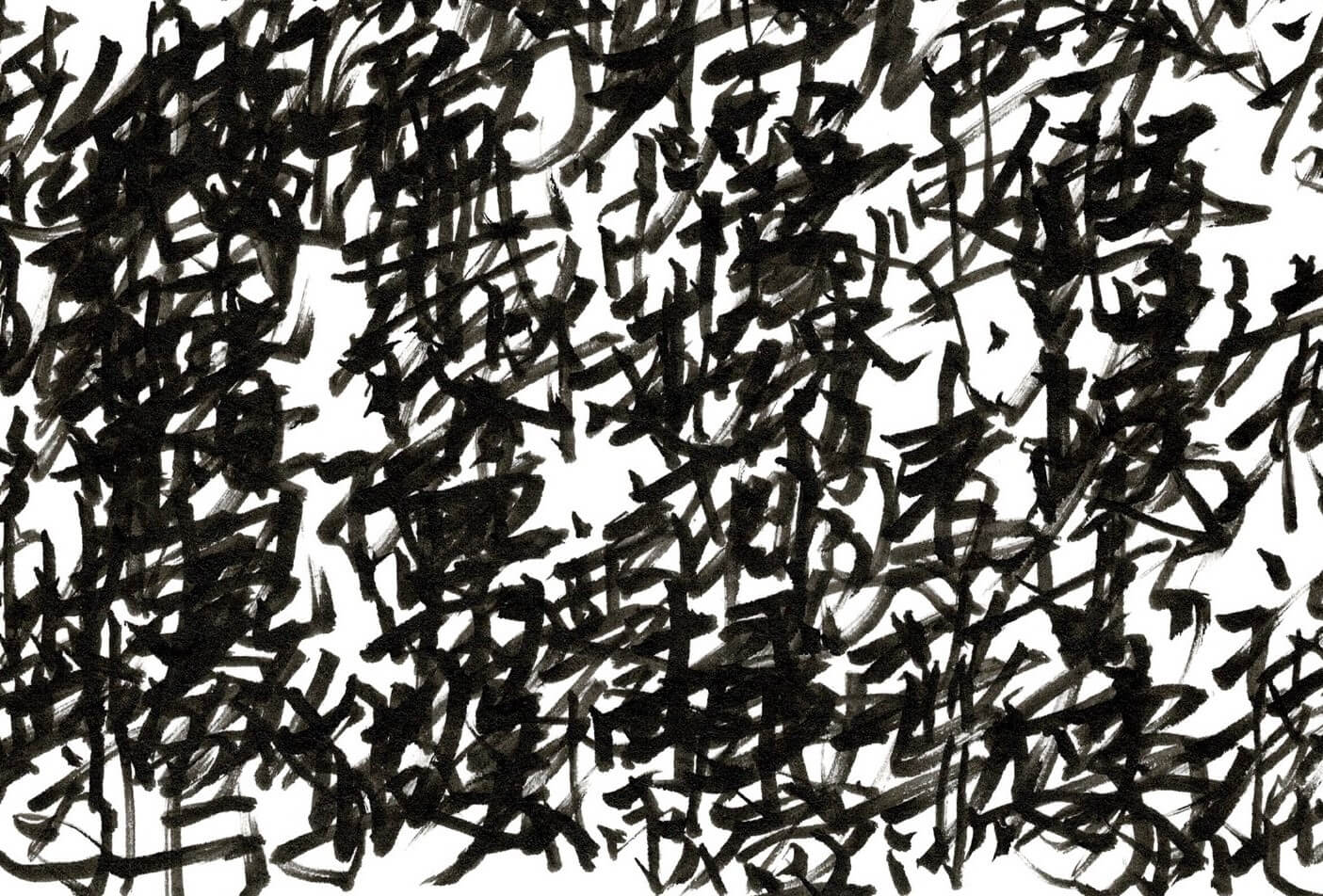
red dao and black zen
newly painted calligraphy. red dao and black zen: This article is about creating my series “painted calligraphy” [samples] with more details this time. Which can be a bit boring if you’re not fundamentally interested in the topic of calligraphy. I recently received a call from someone who had bought some of my paintings many years…
-
Wu Wei a Key Term. Daoist Talks (X)
Chinese Painting and Wu Wei. Wu Wei is a key concept in Daoism. It is an idea that originated in ancient Chinese philosophy and is of central importance to Daoism. However, the term is not always easy to understand, at least for Westerners. But understanding it can help us in many ways, not only in…
-
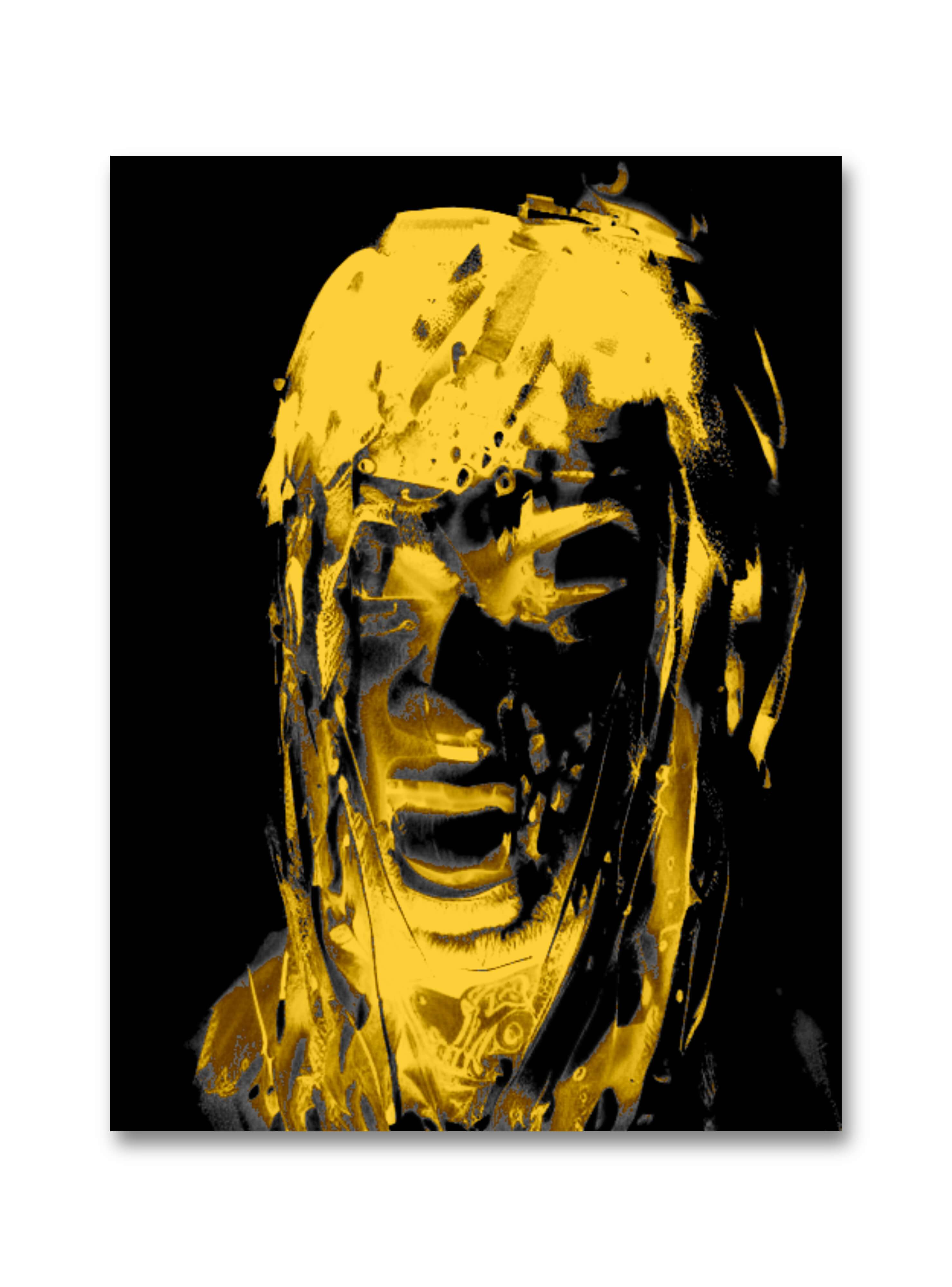
between cold and heat
We have an old joke: “Should you take medication if you have a cold?” “Absolutely! If you don’t take any, it will take 7 days until you get well again. If you take some, you’ll be back on your feet after 1 week.” Well, it took me more than 2 weeks to stay in bed…
-

Elements of Rhyme
Elements of Rhyme pays homage to Dominik Alexander, an impressive living writer with the courage to innovate and a penchant for quality and individualism.
-

Summer swan song – or the bitter croaking of ravens
The summer holidays are just around the corner and the last article concludes for the time being on the basis of 2 pictures with the theme of emptiness.
-
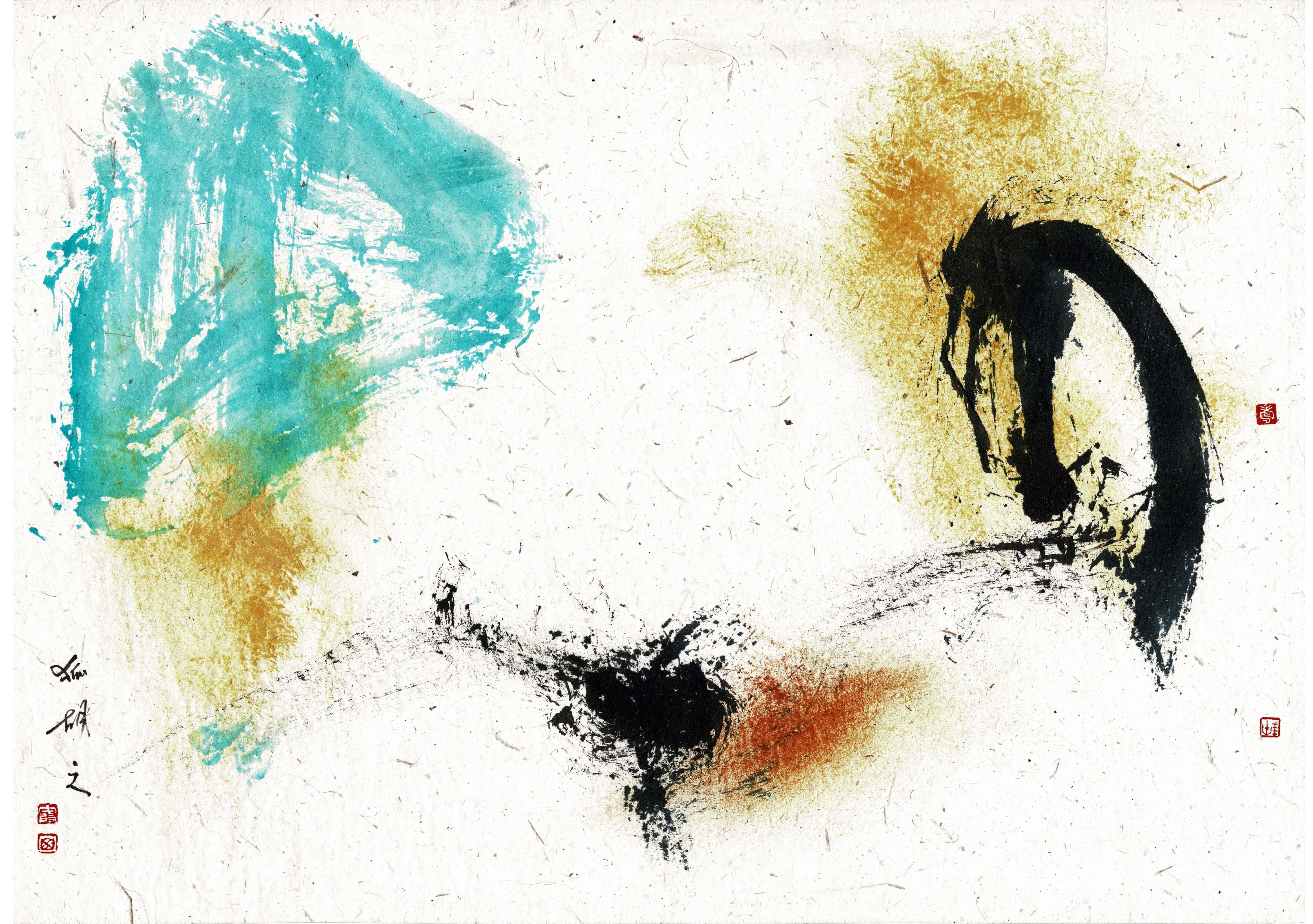
Gaining by letting go
Gaining by letting go is again a formulation that could come from the field of esotericism. I have previously indicated that this is not an area in which I am proficient.
-

What game shall we play today?
About knowing and believing. Quantum physicist Anton Zeilinger: “Sciences are good at measuring something, but cannot say anything about our being”.
-

Cucumber cutting, abstracting and –
A few quick notes on our world of perception, from slicing cucumbers to the feeling of diving. And about abstraction itself.
-
Daoist Talks (VIII) Ego versus Self
Daoism distinguishes between the ego and the self. The ego refers to the individual’s sense of self, which is often shaped by societal norms, cultural values, and personal experiences.
-

the magic sea
Magic Sea Opera: Even if the idea that I would like to present today might sound unrealistic or at least utopian at first, I would by no means see it as unfeasible. Namely, the idea of an opera as a total work of art, in which the visual part is the actor
-
Dao in Chinese Poetry. Daoist Talks (VII).
Dao in Chinese Poetry: Two masterpieces of classical Chinese poetry with a Taoist structure. Li Bai and Du Fu.
-

Criticism: Not amused with the Emperor
A few criticism examples by Chinese artists over time. Most of my blog posts deal directly or indirectly with art in the broadest sense. This is insofar as I attach great importance to dealing with Asian philosophies and art history in the broadest sense. I don’t touch on political issues, although this post might suggest…
-
Daoist talks (VI) Principles of Dao in Painting
Daoist talks (VI) Principles of Dao in Painting: Chinese painting of the last 1000 years has been shaped primarily by Daoist ideas.
-

Daoist talks (V) Dao and Zen in Arts – analyzed by AI
What AI says, answering my question: The Role of Dao and Zen in Chinese Painting
-
Daoist talks (IV): Liang Kai The Story of Eight Eminent Monks
Liang Kai is best known in the West for his painting of Li Bai. Only a few know the scroll of “The story of eight eminent monks”.
-

Daoist Talks (III): The Cosmos in One Dot
Mindfulness in a dot After a lot of theory, we want to highlight practical aspects today, but first a summary of the last post: Everything is Dao, from the smallest dot to the universe; thus, everything is imbued with Dao, especially the counterplay of yin and yang. These are not opposing forces but depend on…
-

three strikes
Three strikes: Today I would like to present 3 newer works and will not write much about them. The first is a play on Zen thought. In the sense of what was said above, it remains without further explanations.
-

Daoist Talks (II): The Basics
Our main topic will be Daoism in Chinese painting. Understanding the essential aspects of the Dao should help us to understand Chinese painting better and more profoundly.
-

Daoist Talk (I) Supplement
Existence of the non-existence. The sound of one hand clapping. An afterword to Daoist talks (I)
-

More nonZENse
Article about Daoism and Zen-Buddhism related to fine arts. Introduction of 2 paintings.
-

An old sketchbook ….
An old sketchbook bought in Paris 40+ years ago is finally put to good use. And some thoughts on that.
-
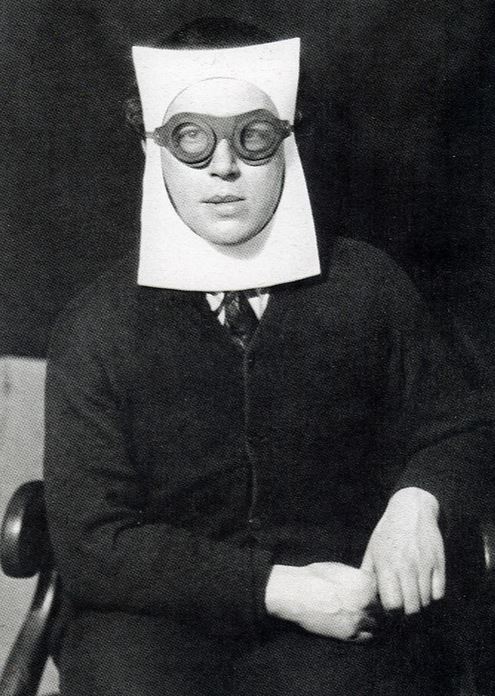
dreamtellers
The Surrealists really turned my world around. First was André Breton who opened the door to this world for me. Then came the painters like Max Ernst, Giorgio de Chirico etc.
-

how we (I) see
Many years ago I read an article about viewing habits. A certain audience was asked the question (sort of): “Do you think we all see the same thing when we look at something?”
-

now and zen and later
A few decades ago, the term Zen moment was quite unknown in the West. Today it has become a consumer item and similar to the pair of terms feng shui 風水, most people do not understand what it is actually about.
-

metaverse (V)
After my last post (metaverse IV) Schrödinger, his cat, you and I basically agreed that IS and NOT-IS can exist at the same time.
-

metaverse (IV)
day & night and Schrödinger’s cat [1] I am very pleased that my postings on this topic are so well received and thank you for the general interest!After this posting today, one more on this topic will follow, but it will be easier to understand. Today it gets a little more complicated. When I…
-

Metaverse Project Started (II)
prologue and reflections After my last 2 postings on Kabul and Pyongyang (in the broadest sense also a kind of metaverse 😊) I would like to come back to my personal metaverse today and in the following postings to come. In the first post on this topic metaverse, I presented initial attempts to devote…
-
Cats in Chinese Painting
Let’s play a little game again: Let’s imagine there is a competition with 3 cats at the start. The “best” cat should be chosen. Which would get your vote: 1, 2 or 3?
-

What a dot can do
Reflections on a dot in traditional Chinese painting and calligraphy. About the meaning of the smallest part of a painting.
-

triptych variant
I presented a tryptich a few days ago. As is so often the case, the underlying idea has not been shelved for me and so I wanted to see how a variant could look like. So I created another work to replace one of the triptych.
-

waltzing corona
My first painting this year is this triptych. I will take this as an opportunity to present my point of view, because if I can manage to explain the essential points clearly, you may look at Chinese art from a different perspective in the future.
-

another one of those
Today I would like to present a newer picture and originally I had no intention of writing about it, at least almost. Why this?
-

Drafts for the Corona series and questions about them
For one of my exhibitions, which will be shown in Vienna next year, I chose the topic around covid-19. I think this is a subject that might be of some interest. We all suffered and still suffer from it in one form or another and so I thought that it might be of interest to…
-

painting about a love poem
Lately I’ve started some work on clouds. The point is not to represent different cloud formations true to nature, but to give the clouds a meaning that goes beyond “being a cloud”. Poem by Berthold Brecht.
-

triptych theme and variations
Music is undoubtedly one of the most important driving forces in my painting. This tryptic is based on theme and variations influenced by calssical music.
-

better this time – I think
After I decided yesterday to throw away a piece of work I painted the basic idea of that work in a completely different version and I’m relatively satisfied with the result.
-

it don’t come easy
When is a picture ready finished? I paint and paint and at some point a voice says: let go. It becomes more difficult when a painting does not “feel” finished.
-

gestural painting, subconsciousness and archetypes
gestural painting, subconsciousness and archetypes in my series of gestural abstract paintings
-

article by me in the China Report
The “China Report” # 179 is dedicated to the 50 years of diplomatic relations between Austria and China. As it is a special anniversary, the authors are particularly prominent in this issue. Austrian President van der Bellen, Chinese Prime Minister Li Keqiang, former Austrian and Chinese ambassadors, Federal Chancellor Kurz, to name just a few,…
-
The Essence of Chinese Painting (IX)
The Essence of Chinese Painting Part 3. This artivcle is dealing with the structure in Chinese painting by using some examples.
-

if sharks were people
Among other things, Berthold Brecht wrote short stories, the “Stories from Mr. Keuner” are particularly well known. I would like to present a story here. If the sharks were people.
-

Mu Qi. 6 Persimmons – an interpretation
6 Persimmons – an interpretation. Analyzing one of the most important Chinese paintings by the Zen monk Mu Qi
-

Easter Contribution
Painting and graphics related to politics and history. Albrech Dürer’s Christus am Kreuz overwritten with Mao Slogan.
-

Another Work after Huang Binhong – 黄宾虹
Another painting after Huang Binhong. My painting and the original by Huang show the effort of capturing the spirit of the original.
-
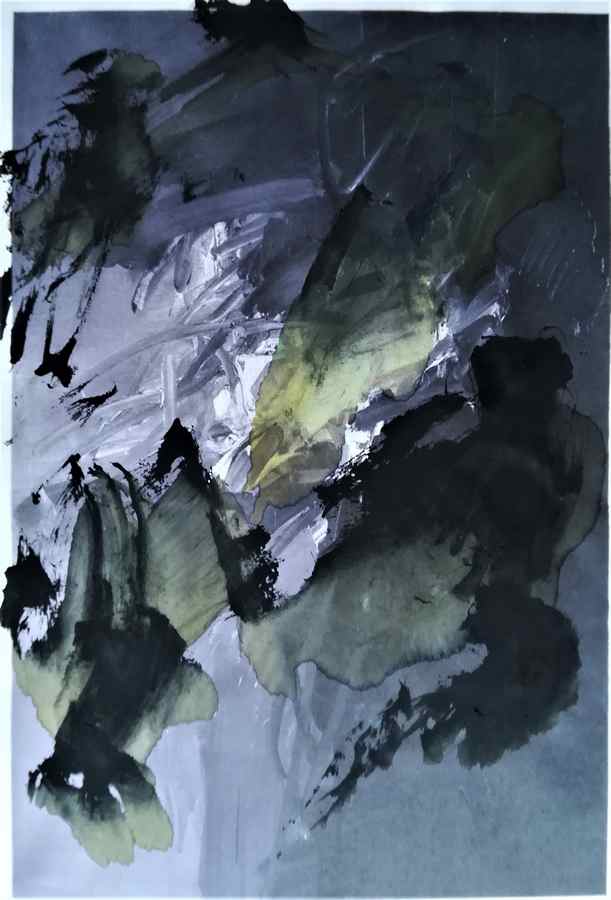
Recent Work: Day 5/7 Surrealism
With painters like Max Ernst, the world of painting opened up for me. Now I have painted an homage to Max Ernst. “The Triumph of Surrealism” from 1937.
-

A simple picture and yet a treasure – ZHA Shibiao
Small album sheet by the artist Zha Shibiao that looks very simple at first glance and only shows its charm and mastery when we take some time for a closer look and reflection.
-
copying old masters – 黄宾虹
When copying Chinese paintings, one should grasp the spirit (qi 气) of the painting. The original on the left, my copies on the right.
-
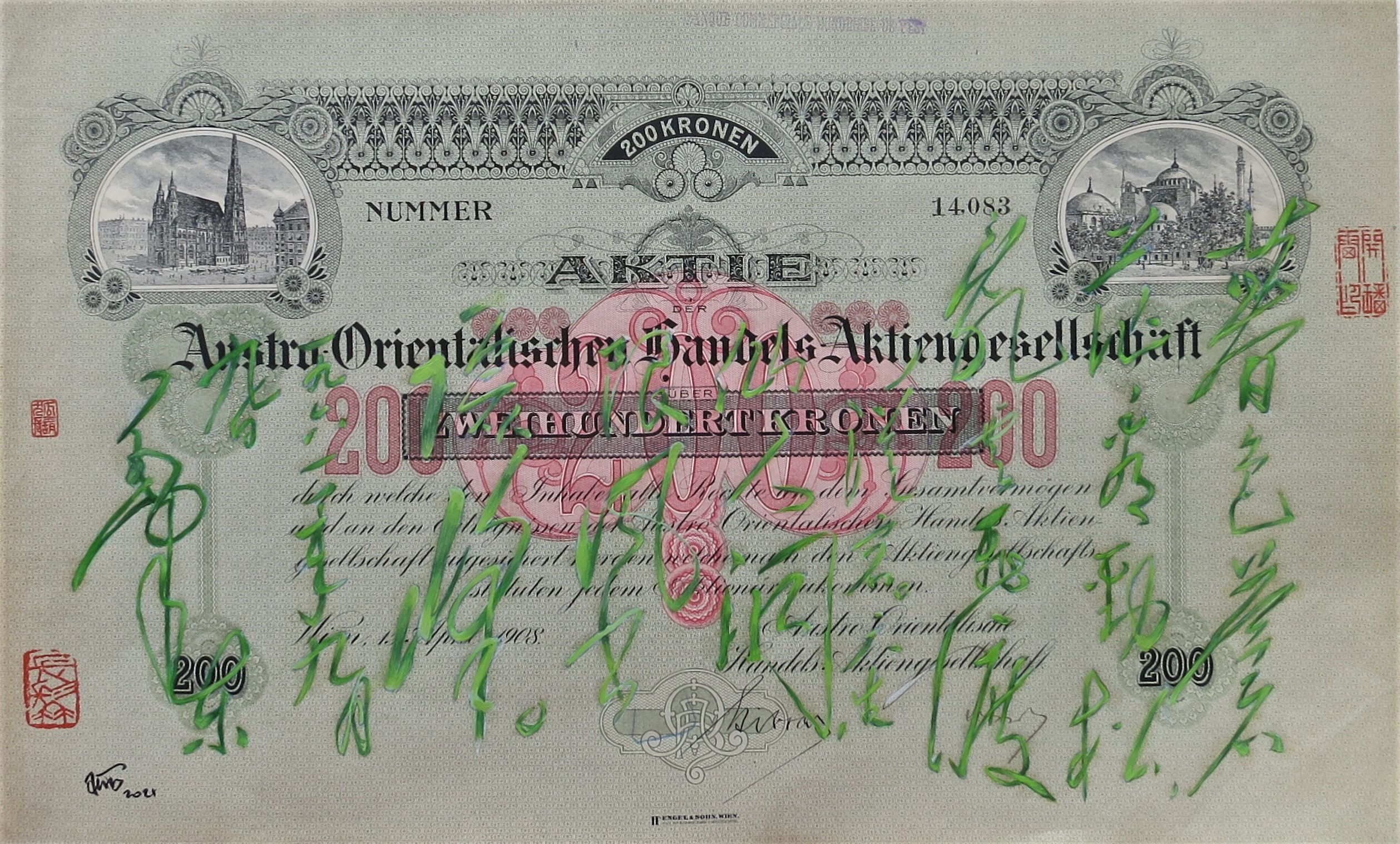
New work – with an explanation
Mao Poem on historical security which is designed in the finest Art Nouveau design. Overwritten with a Mao Zedong poem.
-

The Essence of Chinese Painting (III)
In “The Essence of Chinese Painting (III),” the focus is on the four phases that define the structure in Chinese painting, as elucidated by the renowned artist and theorist Pan Tianshou.
-

After visting a great Gerhard Richter Exhibition in Wien
A small graphic as hommage to Gerhard Richter and Hideaki Yamanobe after visiting a very impressive exhibition by Gerhard Richter in Vienna.
-
analyzing a simple painting by Qi Baishi 齐白石
The Essence of Chinese Painting Part 2. Analyzing a the painting Chinese cabbage and peppers by Qi Baishi 齐白石
-
The Principle of the Balance in Chinese Painting
The Essence of Chinese Painting Part 1. The principle of the balance in chinese painting.
-

student prank with Wang Ziwu 王子武
Copy of a painting by Wang Ziwu 王子武 with hen and chickens. Funny story of a student prank.
-
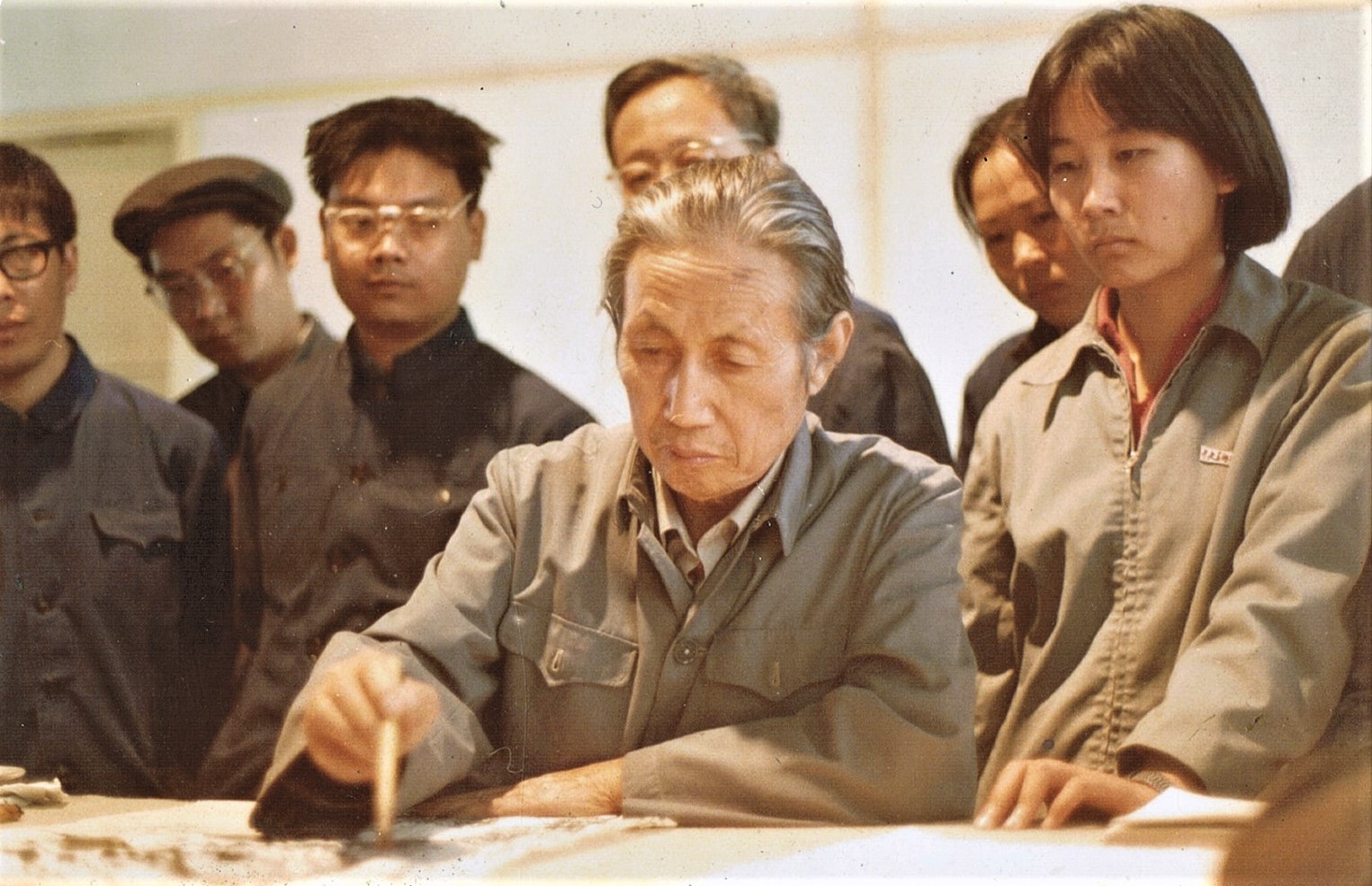
when I first met Lu Yanshao 陸儼少
Traditionally, on Saturday mornings, the Academy invited well-known painters of classical Chinese painting to demonstrate their way of painting.
-

chinese seal carving
The Essence of Chinese Painting Part 4. Chinese seal carving.