
Category: Asian Art Essays
-

Dot and Emptiness: The Essence of Chinese Art
A lecture on the dot and emptiness in Chinese painting — how Daoist and Zen principles turn a single brushstroke into a universe, illustrated through Liang Kai’s “Li Bai Strolling.”
-
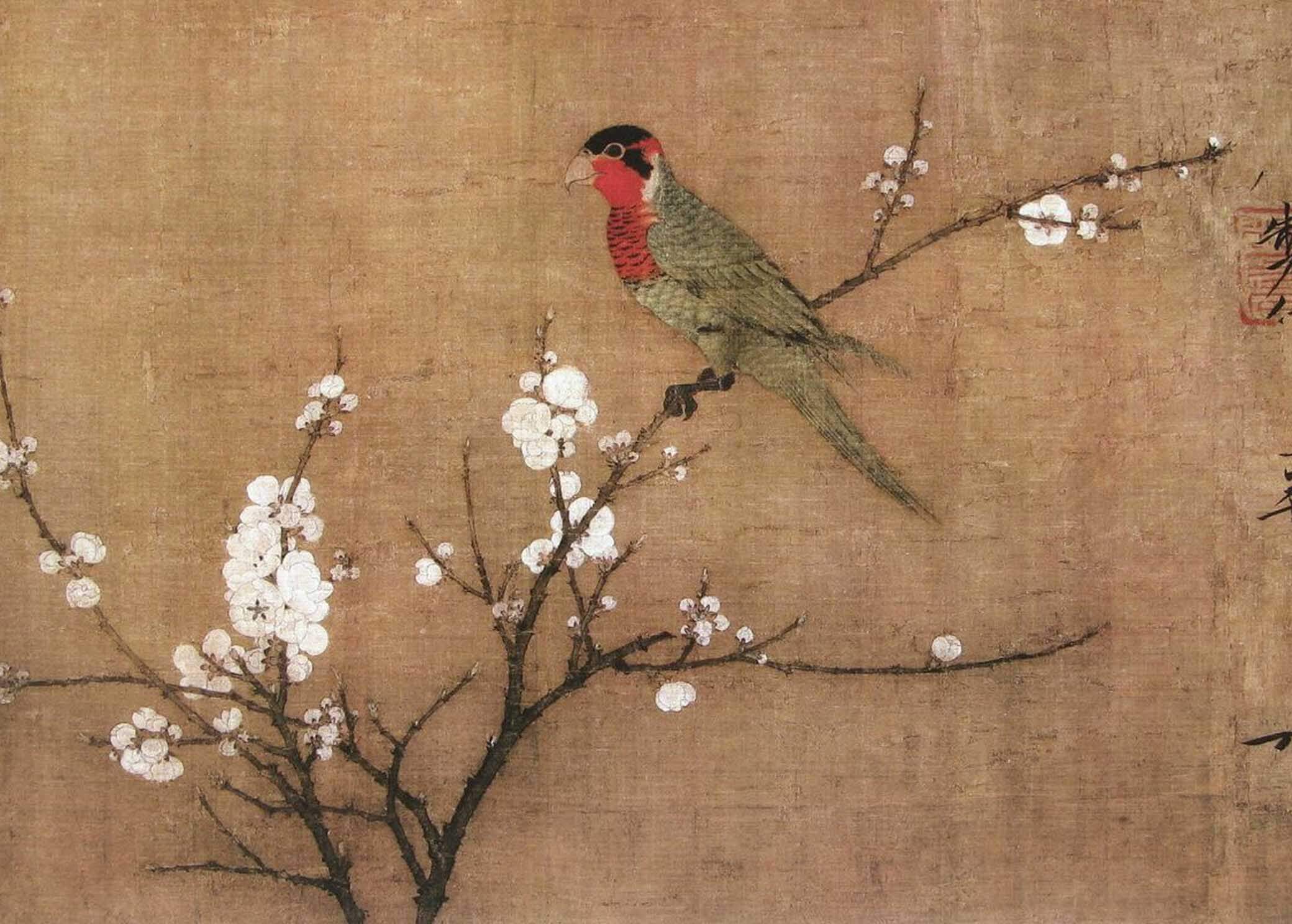
Emperor Huizong: When Rulers Still Loved Art
A reflection on Emperor Hui Zong’s unique artistic vision, his elegant brushwork, Daoist‑inspired aesthetics and the refined cultural atmosphere of his court. The article explores how his sensitivity, poetry and innovation shaped Chinese art and continue to resonate today.
-
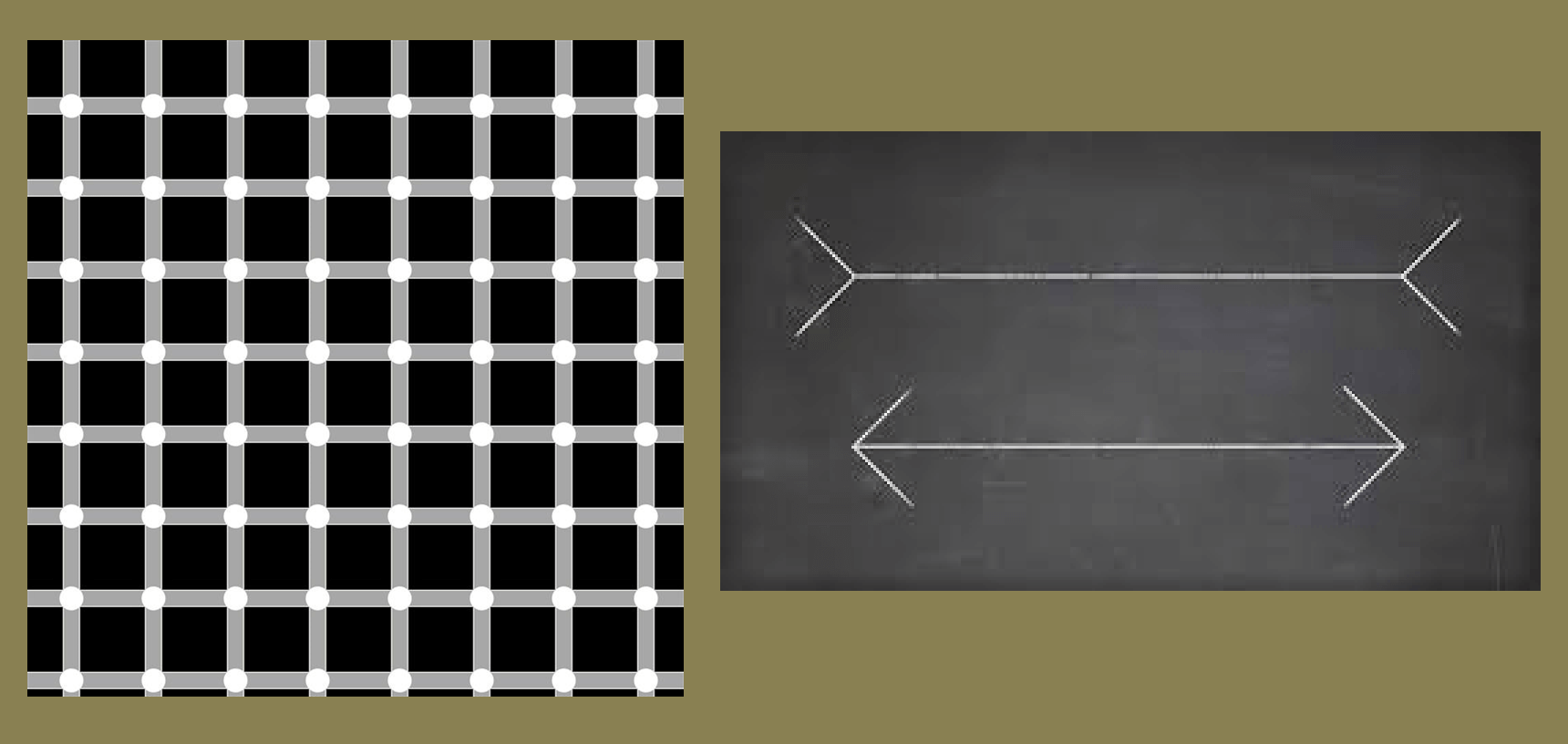
What is Reality? What is Nothingness?
What is reality? Our understanding of it constantly evolves—from once believing the Earth was flat to now observing the universe through the Hubble Space Telescope and quantum computing. In this post, I examine how modern science and different philosophical traditions perceive reality and nothingness. It is especially fascinating to see how quantum physics is beginning…
-
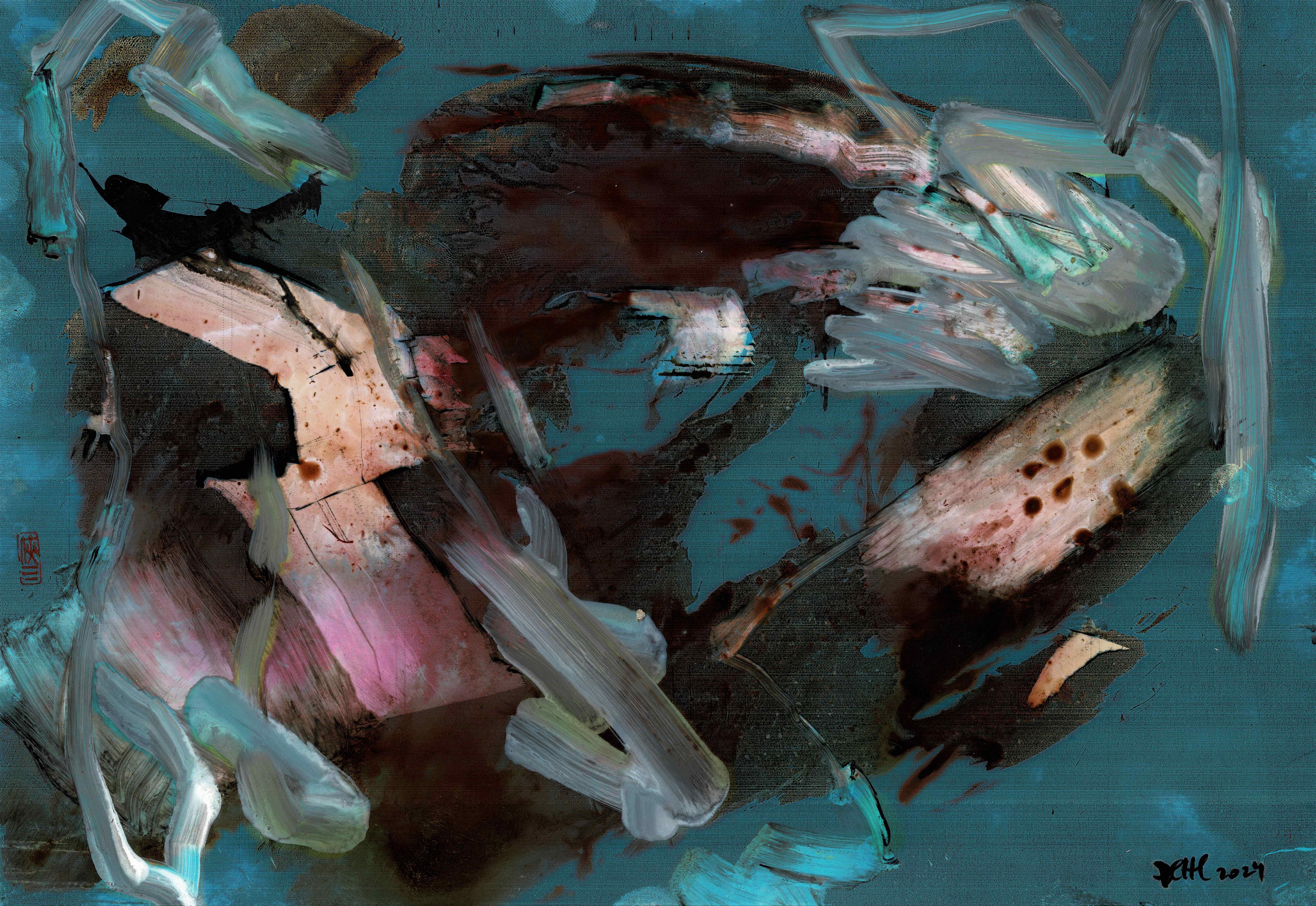
Emptiness, Space, and Depth
Many artists explore space and depth in their work, qualities that are often less prominent in modern painting. In this post, I examine these themes and share how navigating a recent crisis led me to simplify and reduce my own art to its core. This process of release is deeply inspired by Zen Buddhism and…
-
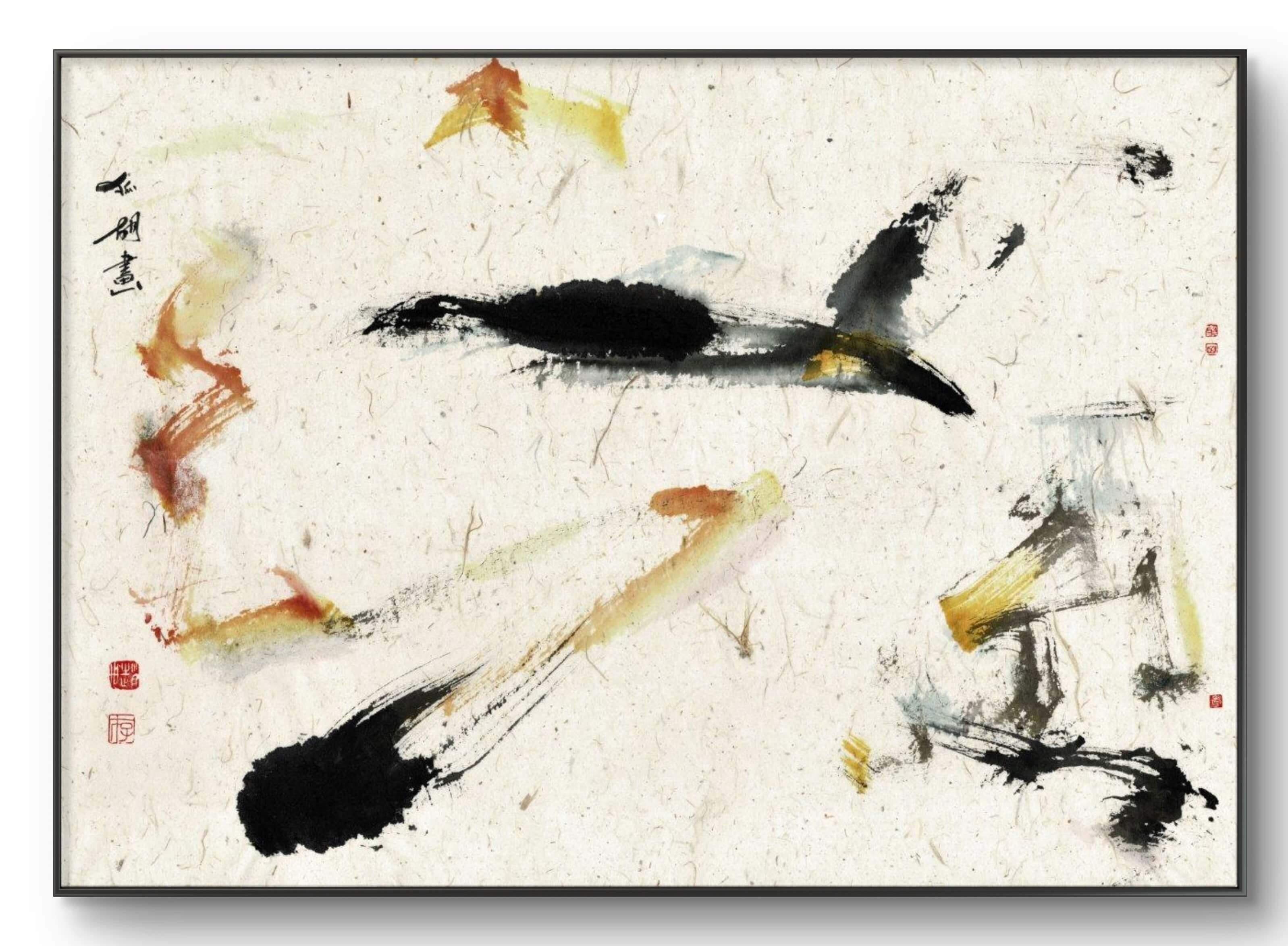
Essence in Art: Less is More
A reflection on the essence in art, exploring reduction, clarity and presence. The article examines how removing the non‑essential reveals deeper meaning, how simplicity sharpens perception, and how artistic expression becomes more direct when guided by essential qualities.
-

Wu Wei: Effortless Action in Daoism and Chinese Painting
An exploration of Wu Wei (無為), the Daoist principle of effortless action, through Zhuangzi’s Cook Ding, Chinese painting, Qi and spontaneous artistic practice.
-

The Flow of Qi in Chinese Ink Painting
A personal exploration of Chinese painting, examining the flow of Qi, negative space and compositional movement through two experimental ink works.
-

Bada Shanren & the Daoist Concept of Ziran (Naturalness)
Ziran is a fundamental concept in Taoism that can be understood as “naturalness” or “spontaneity.” It refers to the inherent nature and self-so of all things, emphasizing the importance of following the natural flow of the universe rather than resisting or attempting to control it.
-
Daoist talks (VI) Principles of Dao in Painting
As discussed in my previous art theory articles, Chinese painting over the last millennium is deeply rooted in Daoist ideas. It is safe to say that Chinese xie-yi (freehand painting) is essentially applied Daoism. Today, I examine an often overlooked aspect of Asian art theory that is crucial for understanding this style: living in harmony…
-
Liang Kai: The Story of Eight Eminent Monks – Daoist talks (IV)
As both a painter and an art historian, Liang Kai’s “The Story of Eight Eminent Monks” holds a special place in my heart. In this post, I examine this important scroll and discuss the fluid boundaries between Daoism, Zen, and Buddhism in China. Unlike the strict religious divisions often found in the West, Chinese philosophy…
-

Daoist Talks (III): The Cosmos in One Dot
In this third Daoist Talk, Friedrich Zettl explores the dot as the smallest yet most powerful element of Chinese painting. Drawing on Daoist philosophy, mindfulness, xieyi and the work of Shi Tao, the essay examines how a single brushstroke can express the principles of nature, consciousness and the cosmos.
-

Daoist Talks (II): The Basics
In Daoist Talks II, Friedrich Zettl explores the relationship between Daoism and Chinese painting, from xieyi and calligraphy to yin and yang, qi, wu wei and the different ways Chinese and Western artists approach nature.
-

Hakuin’s Koan: The Sound of One Hand Clapping
I will continue posting new articles every two weeks. Today, we revisit the challenging concept of the “existence of the nonexistence” through Hakuin Ekaku’s famous kōan, “The sound of one hand clapping.” I am sharing an older painting where I explored this paradox graphically. Rather than literally illustrating a sound, this piece of Zen-inspired art…
-

Daoist Talks (I): Zhuangzi’s Butterfly Dream in Ink Painting
Daoist Talks (I): While many beginners approach Daoism and Asian art theory through Laozi’s complex Dao De Jing, I find Zhuangzi’s profound and humorous stories much more accessible. Today, I revisit his famous butterfly dream—a key story about dissolving the boundary between subject and object. I also want to ask for your feedback. If you…
-

From Daoism to Zen in Chinese Painting
An introduction to Daoism’s role in Chinese ink painting, tracing its evolution into Zen Buddhist aesthetics through two recent works and the six laws of Xie He.
-
Cats in Chinese Painting
A brief note on cats in Chinese painting. The post comments on symbolism, traditional brushwork and the way this motif shifts between elegance and humour. It pairs the reflection with a small ink sketch that keeps the tone light and direct.
-

The Meaning of a Dot in Chinese Painting & Calligraphy
On the surprising depth of a single dot in Chinese calligraphy — qi, the play of opposites, and how a beginner learns to paint with meaning.
-

Waltzing Corona: A Triptych on Balance and Yin-Yang
An abstract triptych reflecting on Vienna’s ball season during the pandemic, explained through Chinese principles of balance and yin-yang.
-

The Essence of Chinese Painting: Emptiness and the Meaning of White
An exploration of emptiness and negative space in Chinese painting, from Daoist and Chan thought to the works of Bada Shanren and Liang Kai.
-

Mu Qi’s Six Persimmons: An Interpretation
An interpretation of Mu Qi’s celebrated Six Persimmons, examining its composition, symbolism, expressive brushwork and connection to Chan Buddhism and traditional Chinese ink painting.
-

Zha Shibiao: A Simple Painting and Yet a Treasure
A close reading of a small album leaf by Zha Shibiao, exploring composition, brushwork, empty space and the close relationship between Chinese painting and calligraphy.
-

Copying Old Masters: Huang Binhong (黄宾虹)
My studies and copies after Huang Binhong explore how copying old masters can deepen an understanding of brushwork, ink, rhythm and the spirit of Chinese painting.
-

The Essence of Chinese Painting (III)
How does a painting guide the eye? I explore beginning, development, turn and resolution through Pan Tianshou’s compositions, implied connections and the active role of empty space.
-
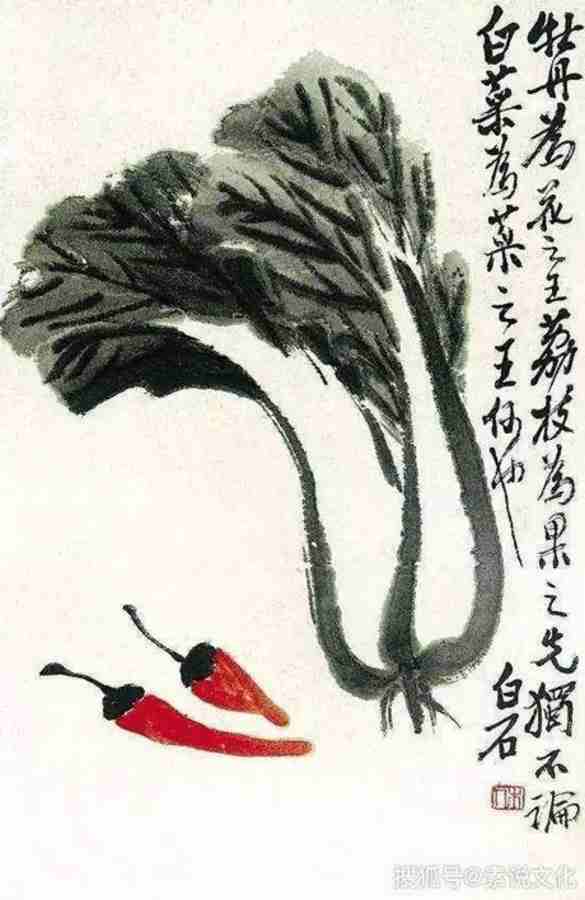
Analyzing a Simple Painting by Qi Baishi 齐白石
A cabbage, two red chilies and an inscription: I look closely at how Qi Baishi turns an everyday subject into a lively composition of brushwork, color and open space.
-

The Principle of Balance in Chinese Painting
How can a small bird balance a heavy branch? I explore the relationships between brushstrokes, painted forms and empty space through nine illustrations from Chinese painting and calligraphy.