
Tag: Calligraphy
-

Dot and Emptiness: The Essence of Chinese Art
A lecture on the dot and emptiness in Chinese painting — how Daoist and Zen principles turn a single brushstroke into a universe, illustrated through Liang Kai’s “Li Bai Strolling.”
-

Autumn Reflections
Autumn Reflections explores the connection between poetry, calligraphy, and painting through a series of original semi-haiku.
-
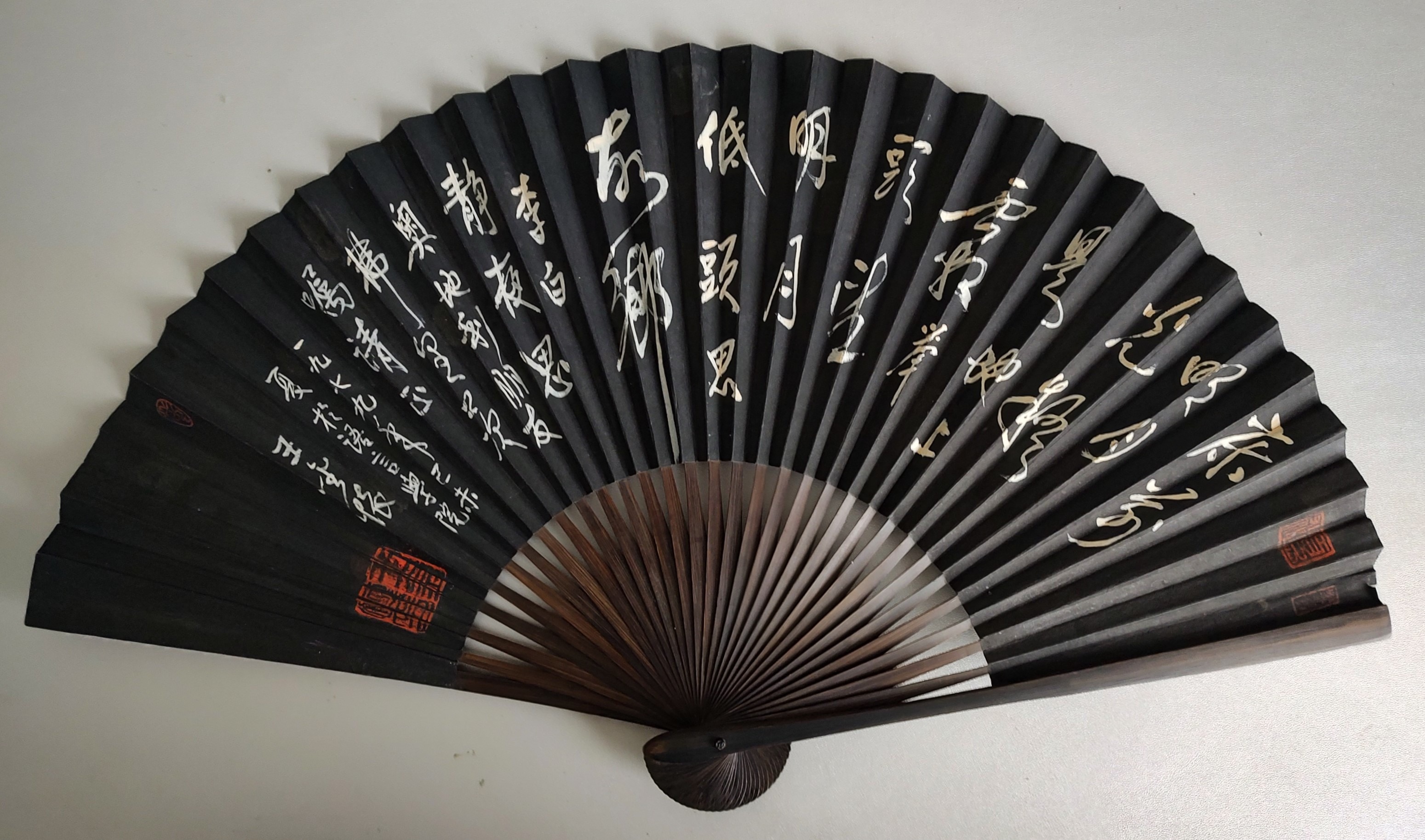
The Abundance of Modesty
Delving into Daoist philosophy and the pictographic wisdom of Chinese calligraphy, this article unpacks the ancient proverb that “Modesty Brings Abundance” (謙受益). Grounding this profound concept in personal experiences, the author reflects on how the humility of an “empty vessel” allows one to receive a true overflow of friendship, knowledge, and spiritual wealth.
-
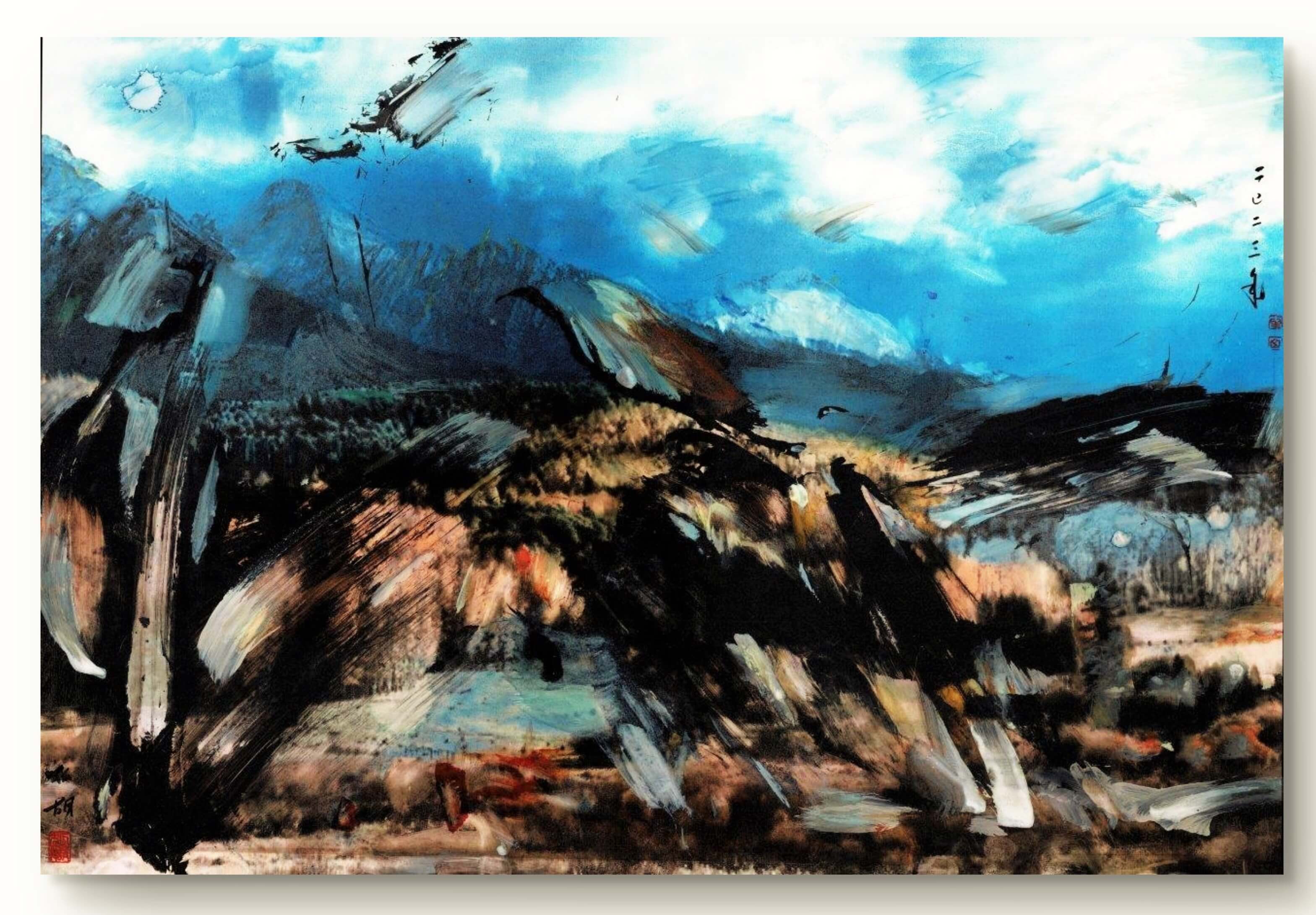
Between Calligraphy and Painting
An exploration of how years of practicing Chinese calligraphy influence my paintings, from expressive landscapes to monochrome painted calligraphy.
-

Superior Haiku by Ashley
In this post, I take a beautiful haiku written by my fellow blogger Ashley and turn it into a piece of calligraphy. I share a short video of the creative process, some extra details about the art of calligraphy itself, and the story of how this artistic collaboration came about.
-
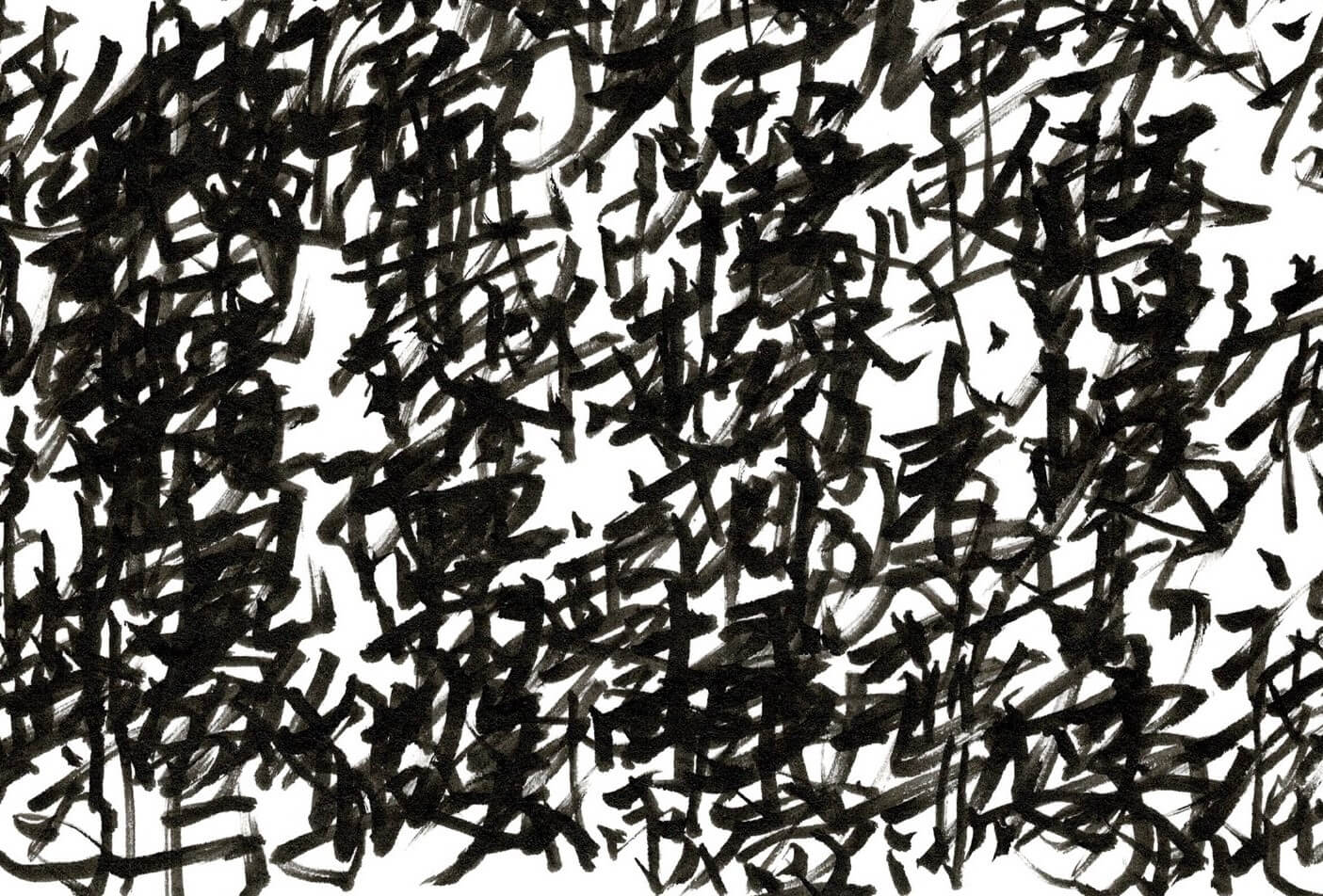
Red Dao and Black Zen: Painted Calligraphy
Red Dao and Black Zen offers a closer look at my painted calligraphy process, where repeated layers of Chinese writing gradually transform text into image.
-

Old and New Works
When Chinese people see my traditional calligraphy, they often point out that few Westerners take the time for such a challenging discipline. While my classical work might not be extraordinary, calligraphy remains a very high art form that actually stands above painting in Asia. In this post, I share some old and mostly new works…
-

How an idea takes root and persists
Some memories stay with us for a lifetime. I recall skipping class on a beautiful autumn day as a student and watching a mysterious dance of leaves floating down into the middle of a meadow. Years later, I translated this experience into contemporary ink painting. In this post, I also share a childhood winter memory…
-

just two characters
I recently uploaded a YouTube video exploring my calligraphy, from traditional to asemic styles. Despite my son’s initial doubts about the channel, this step led to an unexpected request from a Chinese editor to create characters for a new book. Drawing inspiration from Zen masters, my designs were well received and quickly led to a…
-

Waltzing Corona: A Triptych on Balance and Yin-Yang
An abstract triptych reflecting on Vienna’s ball season during the pandemic, explained through Chinese principles of balance and yin-yang.
-

New Year’s Pastime
Ringing in the New Year with Chinese calligraphy practice, a poem by Tang Yin, and thoughts on what it really takes to master an art form.
-

Why I Practice Painted Calligraphy
Why decades of Chinese calligraphy practice led to a personal style: painted calligraphy.
-

Easter Contribution: Dürer Overwritten with a Mao Slogan
An Easter artwork overwriting a small Albrecht Dürer engraving from 1506 with a Mao Zedong slogan on publishing and propaganda.
-

Recent Work: Day 4/7 gestural calligraphy
In the gestural calligraphy series, principles of traditional calligraphy are used to make random formations appear as if they were calligraphy.
-

Recent Work: Day 2/7 with explanation
Mao Zedong slogan on old, decorative Romanian invoice from 1932
-

Recent Work: Day 1/7
Painted calligraphy by writing various poems by Tang Yin (唐寅 1470–1524) on top of each other.
-
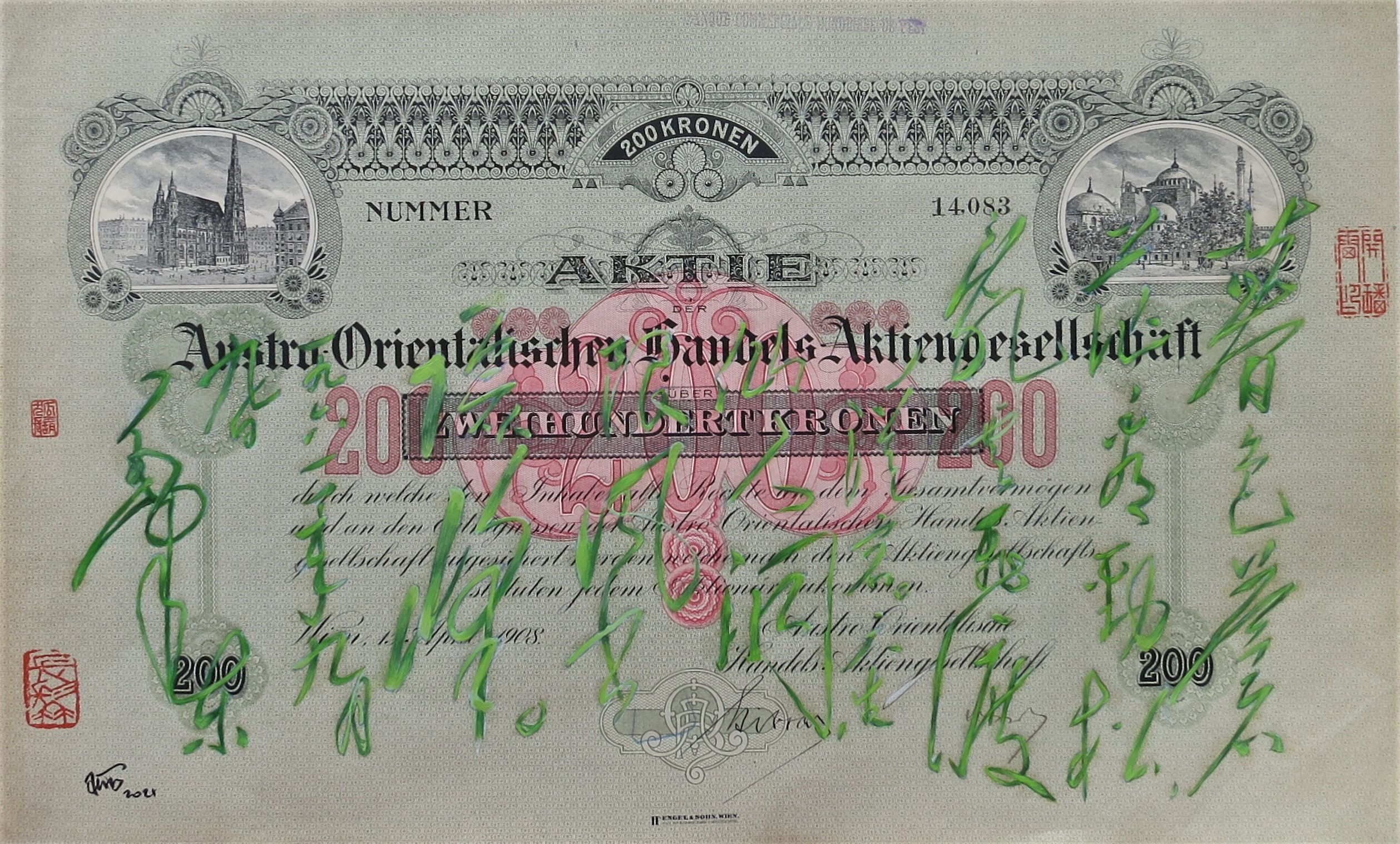
An Obsolete Stock Certificate Painted Over with a Mao Poem
A century-old Austrian stock certificate overwritten with a Mao Zedong poem, exploring the decline of empires and the rise of China.
-

Chinese TV invited me for calligraphy
I was on Chinese TV 3 days ago showing me writing a couplet for Chinese New Year and talking a little about my life and years in China.
-

The Principle of Balance in Chinese Painting
How can a small bird balance a heavy branch? I explore the relationships between brushstrokes, painted forms and empty space through nine illustrations from Chinese painting and calligraphy.