
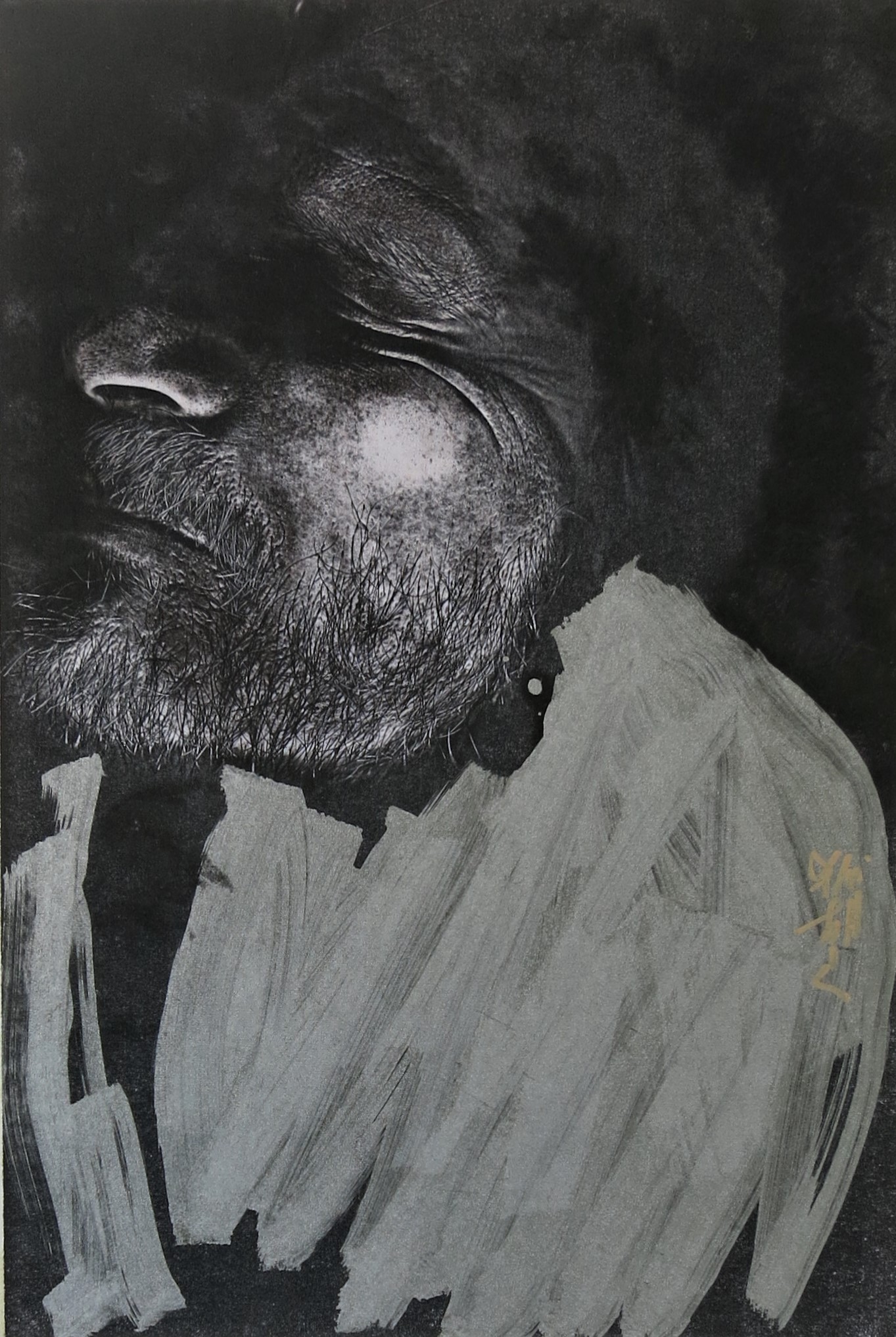
Self-Portraits from 1977 to the Present
After painting for several years, I began a personal tradition of creating a self-portrait each year. I called the series “State of the Art”, with each work bearing the title and the corresponding year.
These paintings are not simply attempts at realistic likeness. Each self-portrait reflects my artistic and personal state at a particular moment, revealing changes in style, technique, perception and outlook. Some have been sold and others have been lost; the works shown here are a selection from this ongoing series.
Self-Portraits in Recent Years


Self-Portraits Before 2020


The Self-Portrait as a Record of Artistic Development
For me, the State of the Art series is less about physical likeness than about artistic and personal transformation. Each portrait records something of the way I saw myself and my work at a particular moment.
The early paintings are more closely connected to observation and representation, while later works increasingly move toward abstraction, gesture and the expressive possibilities of ink and mixed media. Seen together, they form a visual record of my changing artistic language.
related articles: state of the art 2023 I a step further I State of the Art 2025
Explore Friedrich Zettl’s Art and Ideas→
Art Portfolio → Asian Art Essays → Journal → Articles Archive